Compound Miter Saw vs Sliding Compound Miter Saw: What’s the Difference?
Choosing Between Sliding And Standard Compound Miter Saws
Deciding between a sliding compound miter saw and a standard compound miter saw depends on what you cut most often. Each tool suits a different set of needs. Some buyers want simplicity and less weight, while others need maximum cutting width.
Accuracy, dust control, and future project plans also play a role. Before you buy, think about the size of materials you use. It’s worth considering what might change in your workflow later. The right fit means less frustration and fewer regrets.
Who Might Want Each Saw?
- DIYers updating baseboards or trim at home
- Woodworkers needing clean, precise angle cuts
- Renovators handling larger boards or wide planks
- Professionals on job sites needing consistent results
- People with limited shop space
- Buyers focused on price or dust control
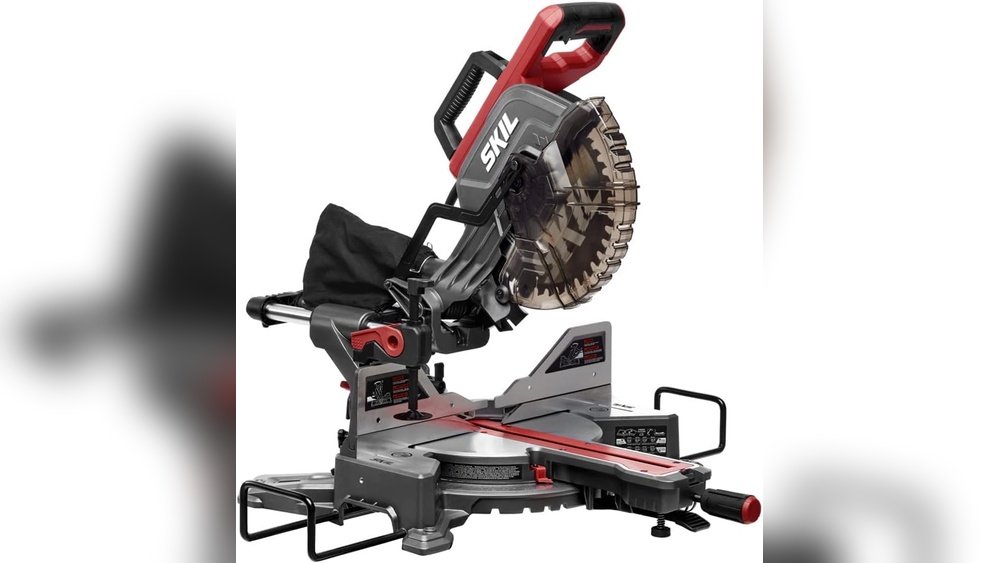
Where Skil 10″ Dual Bevel Sliding Compound Fits Best
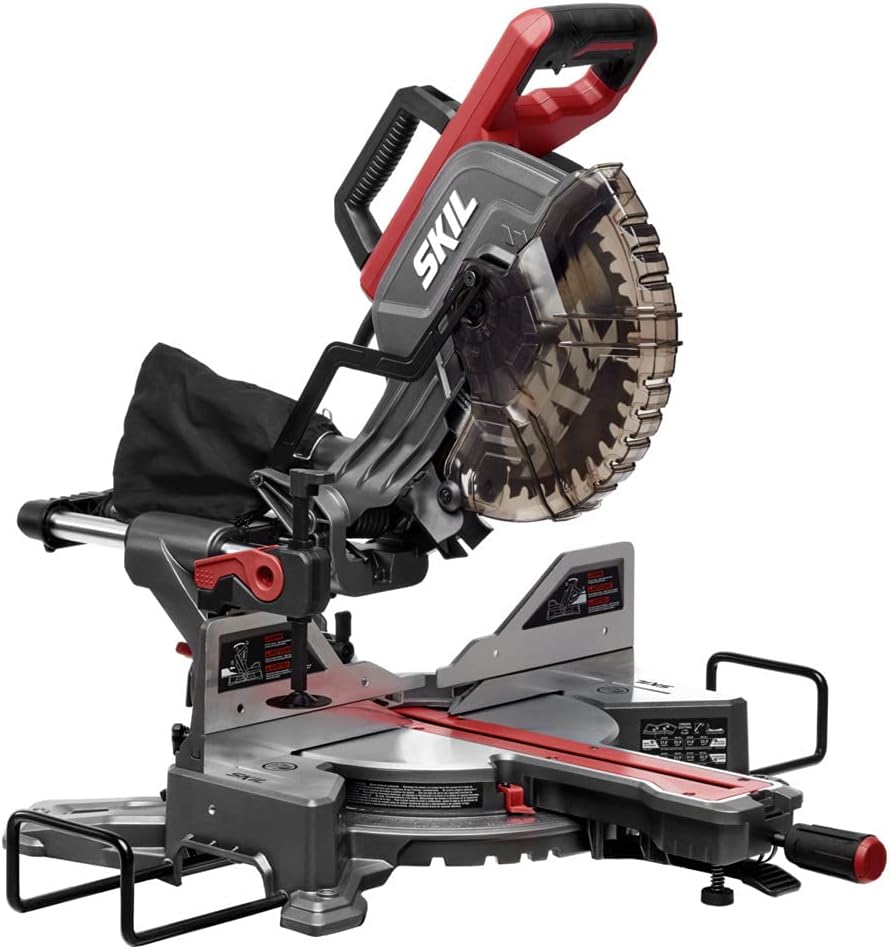
This saw stands out for its precision and flexibility. If I mostly work with medium boards and care about accuracy, this tool is a steady choice.
It offers a smooth sliding action for wider cuts, but stays compact compared to larger saws. The LED shadow line is a subtle but helpful touch for anyone who worries about marking the wrong line.
What Makes Skil 10″ Dual Bevel Sliding Stress-free
- LED shadow line for easy, accurate alignment
- Dual bevel cuts in four positive stop positions
- Strong 15 amp motor handles tough lumber
- Crosscuts up to 2×12 at 90°—good for most trim
- Compact for a sliding model, easier to store
Things That Might Quietly Disappoint
- Not designed for the very widest boards
- Plastic components may not suit heavy daily use
- Some may prefer a dust collection upgrade
When Dewalt 12 Inch Double Bevel Sliding Shines
If you need to cut wider boards or work with crown molding often, this saw stands apart. I would reach for this model when reliability and capacity matter most.
Its dust collection and tall sliding fences are practical touches. While it’s heavier, that weight adds stability for repeatable accuracy.

Strengths That Build Confidence
- Wide crosscut capacity up to 2×14 at 90°
- Excellent dust collection—helps keep area clean
- Tall sliding fences for crown and base molding
- Powerful, durable motor for long-term use
- Stable, heavy build for repeatable results
Potential Downsides To Consider
- Heavier to move or store
- Higher price for extra capacity
- Can take up more space in a small shop
Questions That Shape Your Saw Choice
How wide is the wood you cut most often? If you rarely go beyond 8 or 10 inches, you may not need the largest saw.
Is dust a concern in your workspace? Some saws do better at keeping the air and floor clean.
Do you move your tools often, or set up once and leave them? Weight and footprint matter more for mobile users.
Will you be cutting a lot of molding or trim? Features like tall fences and positive stops help with repeat jobs.
Are you planning projects that could grow in complexity? Sometimes a little extra capacity prevents future frustration.
Comparing Key Factors: Compound Miter Saw Vs Sliding Compound Miter Saw
How Much Cutting Width Do You Actually Need?
The size of your typical workpiece often decides which saw is “enough. ” Going bigger means more versatility, but also more weight and cost.
| Decision factor | SKIL 10″ Dual Bevel Sliding Compound Miter Saw-MS6305-00 | DEWALT Miter Saw, 12 Inch Double Bevel Sliding |
|---|---|---|
| Max crosscut at 90° | 2×12 | 2×14 |
| Max crosscut at 45° | 2×8 | 2×10 |
| Saw blade size | 10 inch | 12 inch |
| Motor power | 15 amp, 4,800 RPM | 15 amp, 3,800 RPM |
| Weight and portability | More compact | Heavier, more stable |
| Dust collection | Standard | Captures 75% of dust |
This difference matters most to those who cut wide planks or move the saw frequently.
Do You Need Advanced Alignment Features?
The SKIL saw’s LED shadow line offers precise visual guidance. The DEWALT model focuses more on mechanical accuracy and fence stability.
| Decision factor | SKIL 10″ Dual Bevel Sliding Compound Miter Saw-MS6305-00 | DEWALT Miter Saw, 12 Inch Double Bevel Sliding |
|---|---|---|
| Cut line indicator | LED shadow line | Mechanical fence, no LED |
| Fence height for molding | Standard | Tall sliding fences |
| Positive stops | Four on bevel, eleven on miter | Ten on miter |
If you rely on visual aids for accuracy, this may influence your choice.
How Important Is Ease Of Storage And Setup?
The SKIL 10″ saw is compact for a sliding model, suiting smaller workshops. DEWALT’s larger size means more room and more weight to manage.
| Decision factor | SKIL 10″ Dual Bevel Sliding Compound Miter Saw-MS6305-00 | DEWALT Miter Saw, 12 Inch Double Bevel Sliding |
|---|---|---|
| Footprint | Smaller | Larger |
| Ease of transport | Light for a slider | Heavy, less portable |
This matters for those with limited space or who need to move the saw often.
What Might Cause Regret After Buying?
Many regrets come from choosing a saw that’s too small or too large for your main tasks. If you only cut small trim, a big, heavy saw can feel like overkill.
On the other hand, running into a project where your saw can’t handle wide boards is frustrating. It means extra steps or borrowing a tool.
Some users also regret skimping on dust control or ease-of-use features. It’s wise to think about what will really make your work smoother every week.
Taking The Time For A Calm, Informed Decision
Both the SKIL and DEWALT sliding compound miter saws have clear strengths. Your decision comes down to your most common projects, your workspace, and your preferences for features like dust collection or cut alignment.
There’s no one-size-fits-all answer. Consider what will save you time and trouble in the long run. Either way, you’ll end up with a capable tool for accurate angled cuts.
Trust your main needs and you’ll avoid buyer’s remorse.
Faqs On Compound Miter Saw Vs Sliding Compound Miter Saw
What’s The Main Difference Between A Compound Miter Saw And A Sliding Compound Miter Saw?
A sliding compound miter saw adds rails to move the blade forward and back. This increases cutting width compared to a standard compound miter saw.
Do I Always Need A Sliding Saw For Diy Projects?
No. If most of your cuts are on narrow boards or trim, a non-sliding compound saw is often enough. Sliding models are best for wider materials.
Is Dust Collection Important On These Saws?
Yes, especially for indoor or frequent use. Some models, like the DEWALT, have better dust collection, which helps keep the workspace cleaner.
Are Sliding Compound Miter Saws Harder To Store?
They are usually larger and heavier than non-sliding models. Consider your storage space before choosing.
Does A Bigger Blade Always Mean Better Cuts?
A larger blade allows for wider and deeper cuts, but doesn’t guarantee better quality. Blade quality and motor strength also matter.
Which Is Easier For Beginners To Use?
Standard compound miter saws are often lighter and simpler for first-time users. Sliding saws add complexity but more versatility.
Can I Cut Crown Molding With Both Types?
Yes, but sliding saws with tall fences make it easier to handle large molding. Look for models with specific fence features if this is a priority.

Daniel Carter is a home improvement specialist and tool researcher with years of experience studying power tools, hand tools, workshop equipment, outdoor gear, and DIY projects. At HomeToolWorld, he researches products, compares features, reviews manufacturer specifications, and creates practical buying guides to help homeowners, DIY enthusiasts, and professionals make informed decisions. His goal is to provide accurate, easy-to-understand, and trustworthy content based on careful research and real-world applications.