10 vs 12 Inch Miter Saw Comparison Guide for 2026
Sorting Through The 10 Vs 12 Inch Miter Saw Decision
Many buyers feel stuck choosing between 10-inch and 12-inch miter saws. The differences seem clear at first, but real needs are less obvious. Brands highlight features that sound impressive, but not always relevant. People worry about power, precision, and long-term use.
It’s easy to focus on specs and miss the bigger picture. This guide aims to clarify how these saws fit different lives and habits. By the end, you’ll know which fits your work style.
Why Comparing These Miter Saws Gets Complicated
Marketing often pushes flashy features, making it hard to see what matters day-to-day. Many reviews talk up lasers, lights, or dust collection, but ignore practical differences.
Specs don’t always translate to real use. Blade size, cutting capacity, and portability might mean more or less depending on your projects. The numbers can be confusing.
People sometimes focus on the wrong priorities. For example, bigger isn’t always better. The right choice depends on your routine, workspace, and comfort level with tools.
Types Of Buyers Looking At 10 Vs 12 Inch Miter Saws
The casual DIYer mainly wants simple setup and light cuts. For them, portability and ease matter most. The Makita LS1019L fits better here.
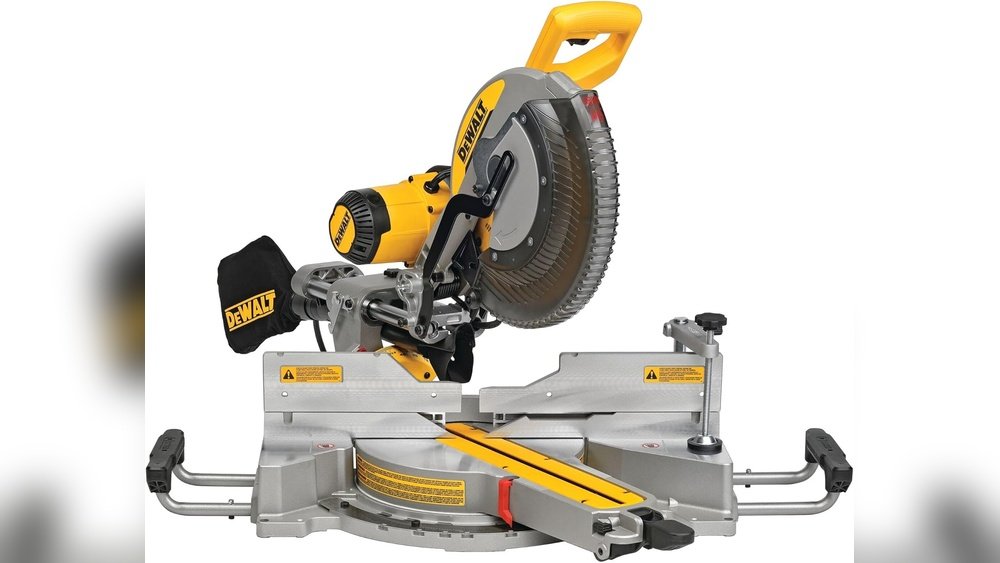
Professionals working on heavy trim or framing need more power and cutting capacity. The DEWALT Miter Saw, 12-inch Double Bevel Sliding Compound stands out for this group.
Small workshop owners with limited space look for compact tools. The Makita’s smaller footprint and lighter weight make it easier to handle.
People focused on accuracy and clean lines value features like laser guidance or shadow line technology. Both saws offer tools for this, but DEWALT’s XPS LED system gets extra points.
Those who do occasional projects and don’t want steep learning curves appreciate intuitive controls. Makita’s design seems less intimidating for new users.
In summary, heavy-duty and frequent users lean toward DEWALT, while lighter, flexible needs fit Makita better.
Dewalt 12-inch Sliding Miter Saw: Natural Fit In Busy Workshops
This saw suits people who cut thick boards or work on large trim projects daily. It handles repeated heavy tasks without much fuss. The powerful motor and wide cutting capacity fit routines where bigger cuts are common.
Over time, it feels reliable and solid. You get used to the XPS LED shadow line and dust collection. It’s a tool that grows into your workflow. I noticed the accuracy improves as you get comfortable with it.
One limitation is size. It takes up more space and feels heavier than some expect. Moving it around isn’t easy, so it’s best for fixed workstations.

What Works Well Over Time
- Strong motor for tough jobs
- Accurate cutline system
- XPS LED shadow line for easy alignment
- Good dust collection
- Handles thick material easily
- Durable for daily use
Things That May Bother Some Users
- Heavy and bulky
- Needs a larger workspace
- Can be noisy
- Setup takes time for beginners
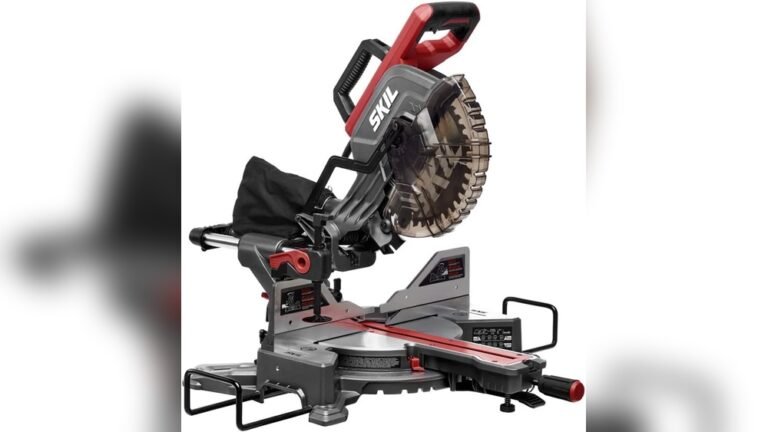
Makita 10-inch Dual-bevel Sliding Miter Saw: Best For Flexible Workspaces
This saw fits people who want portability and compact design. It works well in small shops or for frequent moves between sites. The lighter weight makes it easier to set up and pack away.
Long-term, it feels practical and less demanding. Its single slide-glide operation lets you work close to walls. I found the laser guidance useful for quick, accurate cuts.
One limitation is cutting capacity. It handles most trim, but thick boards may need extra passes. It’s not ideal for heavy-duty framing, but shines in detailed, light work.

What Works Well Over Time
- Compact footprint
- Easy to transport
- Laser guidance for accuracy
- Good for trim and molding
- Quick setup and breakdown
- Less intimidating for beginners
Things That May Bother Some Users
- Lower cutting capacity
- Not ideal for thick lumber
- Laser can need adjustment
- Feels less sturdy for heavy tasks
What Buyers Notice Early When Choosing
First impressions matter. Buyers often notice the size and weight as soon as they unpack the saw. It shapes expectations for workspace and storage.
The learning curve shows up quickly. If controls or setup are confusing, frustration builds. Makita’s compact design feels easier for new users.
Setup comfort makes a difference. If the saw feels stable and safe, buyers trust it more. Features like the XPS LED or laser guide stand out early.
Clarity in cutting lines is another signal. If you see exactly where the blade will land, mistakes drop. DEWALT’s shadow line helps here.
Portability is noticed by those who move tools often. Makita’s lighter build wins on the first carry.
Quick Comparison Of Early Buying Signals
These signals often shape your gut feeling before you commit. Here’s how each saw stacks up in the first days.
| Decision signal (before buying) | DEWALT Miter Saw, 12-inch Double Bevel Sliding Compound | Makita LS1019L 10″ Dual-Bevel Sliding Compound Miter Saw |
|---|---|---|
| Learning curve | Moderate for new users | Quick and beginner-friendly |
| First impressions | Heavy, solid, feels professional | Light, compact, easy to move |
| Setup comfort | Needs time; stable once placed | Fast setup, less intimidating |
| Cut line clarity | XPS LED shadow line is clear | Laser is helpful, may need tuning |
| Portability | Best for fixed shops | Easy for moving between sites |
| Workspace fit | Needs larger space | Fits small areas |
Living With Each Miter Saw: The Day-to-day
Maintenance for both saws is routine but easier with Makita’s lighter build. Cleaning dust and checking alignment takes a few minutes each week.
Consistency in cuts improves as you learn the controls. DEWALT’s shadow line makes repeat cuts more accurate. Makita’s laser is quick for small jobs.
Minor annoyances crop up. DEWALT’s bulk can frustrate in tight spaces. Makita’s laser sometimes drifts and needs realignment.
Over time, trust builds with both. You know their limits and strengths. The right saw feels like part of your workflow, not a hurdle.
Long-term, satisfaction depends more on fit with your habits than the specs on the box.
How Long-term Ownership Compares
After weeks or months, a few realities stand out. Here’s how the two saws fit different routines and needs.
| Ownership reality (after weeks/months) | DEWALT Miter Saw, 12-inch Double Bevel Sliding Compound | Makita LS1019L 10″ Dual-Bevel Sliding Compound Miter Saw |
|---|---|---|
| Reliability | High for heavy tasks | Consistent for light jobs |
| Habit fit | Best for fixed routines | Flexible for changing needs |
| Mental load | More setup steps | Simpler operation |
| Workspace demands | Needs room for movement | Fits in tight spaces |
| Satisfaction | High for demanding users | High for portability fans |
| Maintenance | Dust collection helps, but bulky | Easy to clean and move |
Common Buyer Mistakes And How To Avoid Them
Some buyers think bigger blades always mean better results. Often, a 10-inch saw handles most home projects just fine. Decide based on your actual needs.
Rushing to buy without measuring workspace leads to frustration. Check your shop or site size before choosing. Makita’s compact build works for small rooms.
Ignoring learning curve can mean wasted time. DEWALT’s features are powerful but need practice. Watch setup videos or read the manual first.
Overlooking transport needs is common. If you move tools often, weight matters. Makita wins here. Think about how often you’ll move the saw.
Missing out on dust collection or accuracy features can affect job quality. Look past marketing and focus on what solves your daily issues.
Finding The Right Fit For Your Work
Choose the DEWALT 12-Inch Sliding Miter Saw if you work with thick materials, need daily reliability, and have a fixed workspace. The power and accuracy will pay off for demanding jobs.
Pick the Makita 10-Inch Dual-Bevel Sliding Miter Saw if you value portability, have limited space, or do mostly trim and lighter cuts. Its compact design and easy setup make it a strong choice for flexible work.
The correct fit matters more than blade size or features. Matching the saw to your routine keeps you satisfied. Specs are only helpful when they solve real problems.
Faqs About 10 Vs 12 Inch Miter Saw
Is A 12-inch Miter Saw Always Better Than A 10-inch?
No. 12-inch saws cut thicker materials, but 10-inch saws are lighter and handle most trim jobs well.
Can A 10-inch Miter Saw Cut Crown Molding?
Yes. Many 10-inch saws, like the Makita, are engineered to cut crown molding similar to a 12-inch saw.
Which Saw Is Easier To Move?
The Makita 10-inch model is lighter and more portable. DEWALT’s 12-inch is best for stationary work.
Do I Need Laser Or Led Guidance?
Laser or LED guidance helps with accuracy. If you do detailed work, it makes a difference.
How Much Workspace Do I Need For A 12-inch Saw?
You need a larger area for a 12-inch saw. It’s heavier and takes up more room than a 10-inch model.
Is Dust Collection Important?
Yes. Good dust collection keeps your workspace clean and reduces cleanup time.
Does Blade Size Affect Learning Curve?
Not directly. Larger saws may feel intimidating, but both sizes require practice to use safely.
Can I Use A 10-inch Blade In A 12-inch Saw?
No. Blades must match the saw size for safety and proper function.

Daniel Carter is a home improvement specialist and tool researcher with years of experience studying power tools, hand tools, workshop equipment, outdoor gear, and DIY projects. At HomeToolWorld, he researches products, compares features, reviews manufacturer specifications, and creates practical buying guides to help homeowners, DIY enthusiasts, and professionals make informed decisions. His goal is to provide accurate, easy-to-understand, and trustworthy content based on careful research and real-world applications.