How to Choose the Right Tool for Any Home Project
Choosing the right tool is one of the most important steps in completing a home improvement project safely and efficiently. Whether you’re assembling furniture, hanging shelves, repairing a fence, or renovating a room, using the correct tool can save time, improve accuracy, and reduce the risk of accidents.
Understand Your Project
Before purchasing or using a tool, identify exactly what your project requires. A simple repair may only need basic hand tools, while larger renovations often require power tools designed for heavier workloads.
Ask yourself:
- What material will I be working with?
- How often will I use the tool?
- Is precision more important than speed?
- Do I need portability or maximum power?
Answering these questions helps narrow your options and prevents unnecessary purchases.
Hand Tools vs. Power Tools
Hand tools are ideal for light-duty tasks, small repairs, and situations where precision is important. They are generally affordable, portable, and require very little maintenance.
Power tools, on the other hand, increase productivity and reduce physical effort. Cordless drills, circular saws, impact drivers, and angle grinders make larger projects significantly easier while delivering professional-quality results.
Focus on Quality
A well-built tool often lasts for years when properly maintained. Consider factors such as:
- Durable construction
- Comfortable ergonomic grip
- Reliable safety features
- Warranty coverage
- Availability of replacement parts
Investing in quality usually provides better long-term value than purchasing the cheapest option available.
Prioritize Safety
Always wear appropriate safety equipment when working with tools. Protective eyewear, hearing protection, gloves, and dust masks can significantly reduce the risk of injury.
Read the manufacturer’s instructions before using any unfamiliar equipment and inspect tools regularly for damage.
Build Your Collection Gradually
You don’t need every tool at once. Start with versatile essentials such as:
- Hammer
- Tape measure
- Screwdriver set
- Adjustable wrench
- Utility knife
- Cordless drill
- Level
- Pliers
As your projects become more advanced, you can expand your toolkit with specialized equipment.
Final Thoughts
Choosing the right tool isn’t about buying the most expensive equipment, it’s about selecting reliable tools that match your needs. By understanding your projects, prioritizing quality, and following safe working practices, you’ll build a toolkit that serves you well for years to come.
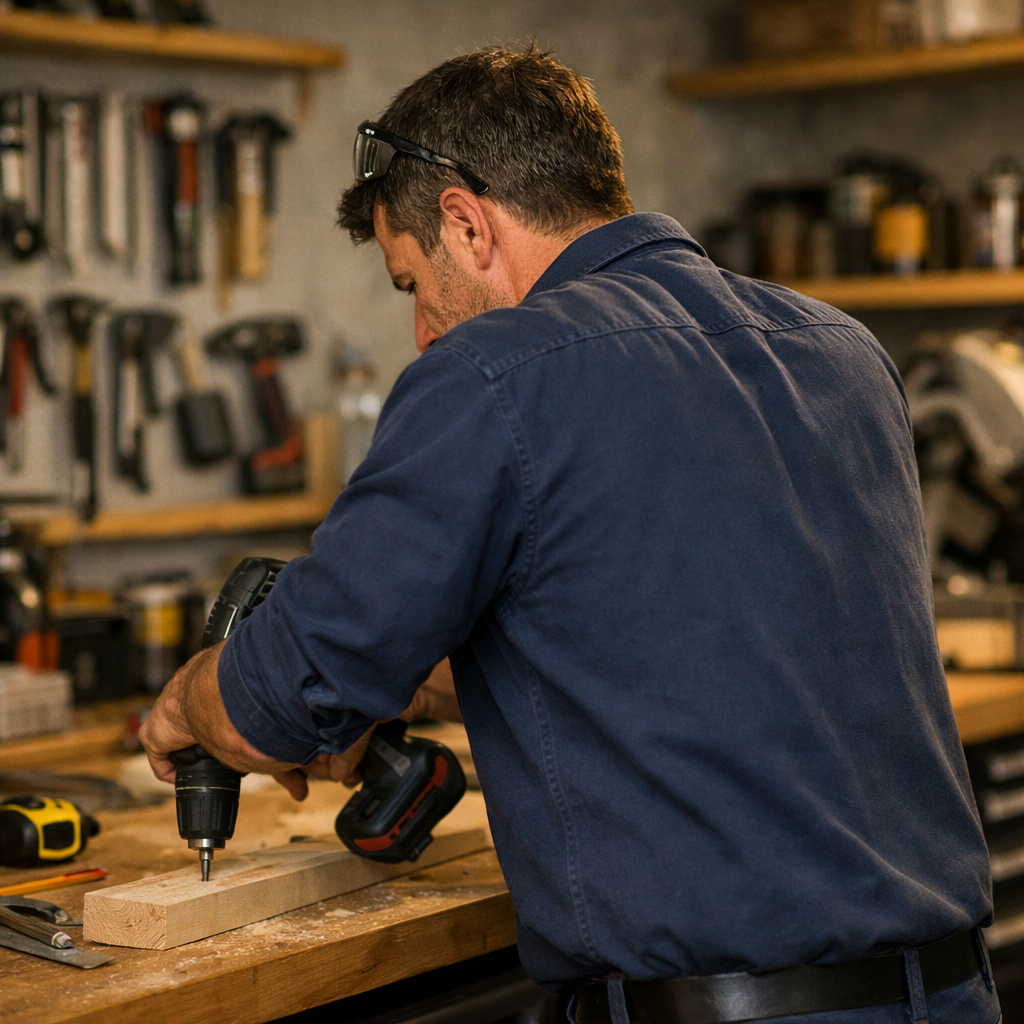
Daniel Carter is a home improvement specialist and tool researcher with years of experience studying power tools, hand tools, workshop equipment, outdoor gear, and DIY projects. At HomeToolWorld, he researches products, compares features, reviews manufacturer specifications, and creates practical buying guides to help homeowners, DIY enthusiasts, and professionals make informed decisions. His goal is to provide accurate, easy-to-understand, and trustworthy content based on careful research and real-world applications.