
Essential Tool Safety Tips Every DIY Homeowner Should Know
Home improvement projects can be rewarding, but safety should always come first. Whether you’re using basic hand tools or advanced power equipment, following good safety practices helps prevent injuries and protects your investment.
Inspect Tools Before Every Use
Take a few moments to examine your tools before starting work. Look for loose handles, damaged cords, cracked housings, dull blades, or worn components that could affect performance.
If a tool appears damaged, repair or replace it before using it.
Wear the Right Safety Gear
Different projects require different protective equipment, but some items are recommended for almost every task:
- Safety glasses
- Hearing protection
- Durable work gloves
- Dust mask or respirator when needed
- Closed-toe shoes with good traction
Proper safety gear greatly reduces the chance of common workshop injuries.
Keep Your Workspace Organized
A clean workspace improves both efficiency and safety. Remove unnecessary clutter, secure extension cords, and ensure your work area has adequate lighting before beginning any project.
Good organization also helps prevent trips and accidental damage to equipment.
Use the Right Tool for the Job
Every tool is designed for a specific purpose. Using a screwdriver as a chisel or an adjustable wrench as a hammer can damage both the tool and the material while increasing the risk of injury.
Always select equipment that matches the task.
Follow Manufacturer Instructions
Modern tools include safety features and operating guidelines for a reason. Reading the instruction manual helps you understand proper operation, maintenance, and recommended safety precautions.
Even experienced DIYers should review instructions when using unfamiliar equipment.
Store Tools Properly
After completing a project, clean your tools and store them in a dry location. Proper storage helps prevent rust, extends tool life, and keeps sharp or dangerous equipment away from children and pets.
Toolboxes, wall-mounted organizers, and workshop cabinets are excellent storage solutions.
Continue Learning
DIY skills improve with experience. Take time to learn new techniques, understand tool maintenance, and stay informed about best safety practices. The more knowledge you gain, the more confident and efficient you’ll become during future projects.
Conclusion
Safe habits form the foundation of every successful home improvement project. By inspecting your tools, wearing appropriate protective equipment, maintaining an organized workspace, and using each tool correctly, you can complete projects more safely while extending the life of your equipment.
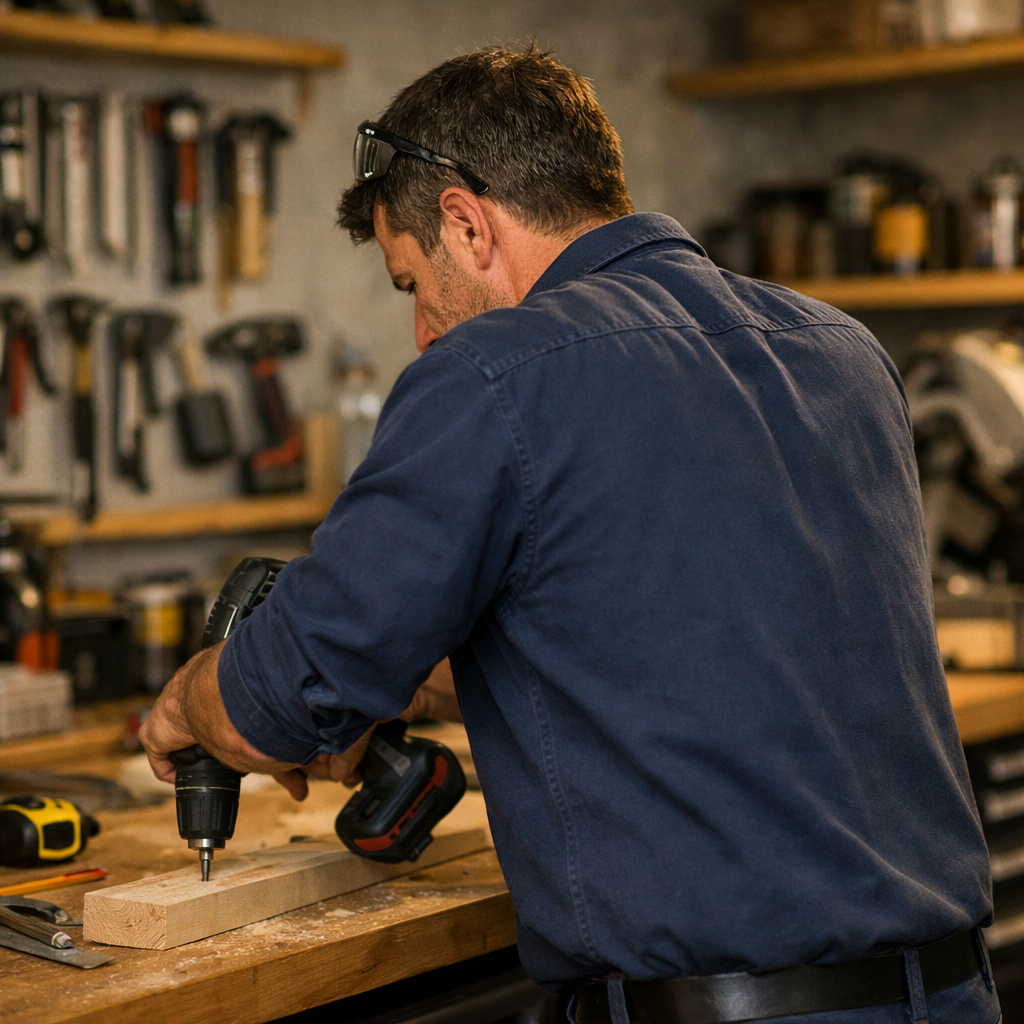
Daniel Carter is a home improvement specialist and tool researcher with years of experience studying power tools, hand tools, workshop equipment, outdoor gear, and DIY projects. At HomeToolWorld, he researches products, compares features, reviews manufacturer specifications, and creates practical buying guides to help homeowners, DIY enthusiasts, and professionals make informed decisions. His goal is to provide accurate, easy-to-understand, and trustworthy content based on careful research and real-world applications.

One Comment