Do Robotic Mowers Cut Grass Well? How They Compare
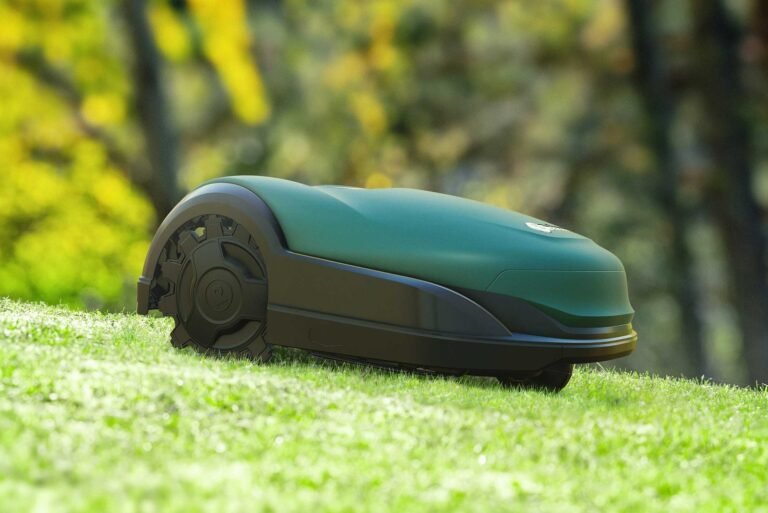
Robotic mowers cut grass well — often better than a push mower — because they cut a little at a time, several times a week, leaving fine clippings that decompose and feed the lawn. The result is a consistently short, dense, healthy turf rather than the shock of a weekly buzz cut.
Key Takeaways
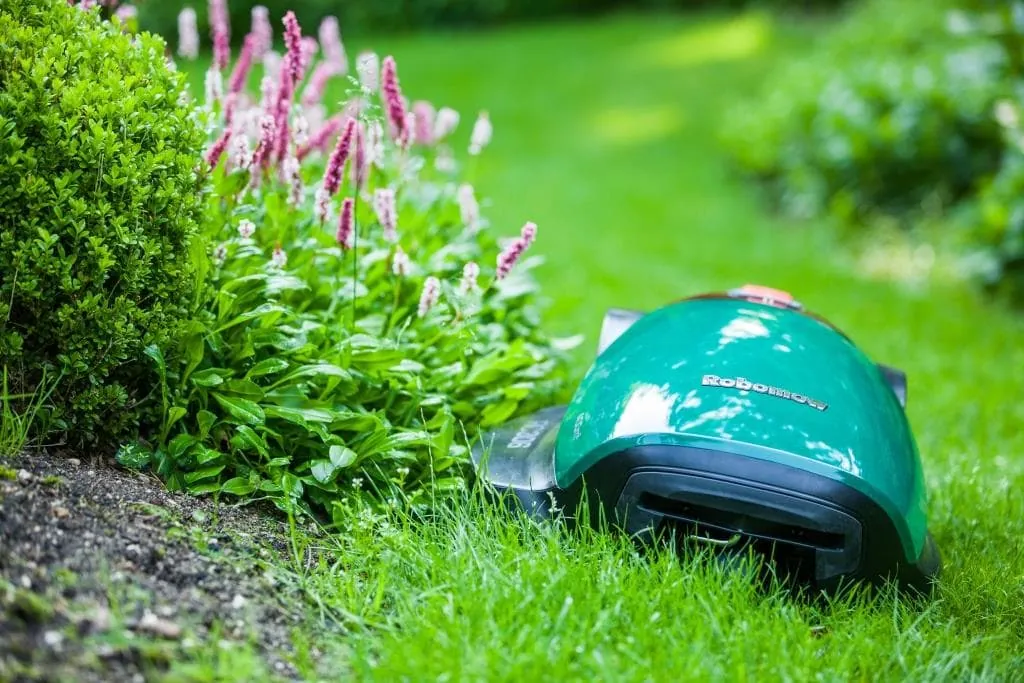
- Cut quality is usually excellent on lawns up to about 0.5 acre with simple shapes, gentle slopes, and no heavy obstacles.
- They cut continuously, not deeply. Most models remove 0.1–0.3 inches per pass and run 2–5 times per week, which is why the lawn always looks freshly mowed.
- Mulching is built in. Clippings are chopped into fine particles that break down in days and return nitrogen to the soil — no bagging, no clipping piles.
- They struggle with tall, wet, or overgrown grass. If your lawn gets away from you, you’ll still need a conventional mower for the first cut of the season.
- Setup and boundary work matter more than the robot itself. A well-mapped yard with a buried or virtual boundary produces a clean cut; a chaotic yard produces stragglers and missed patches.
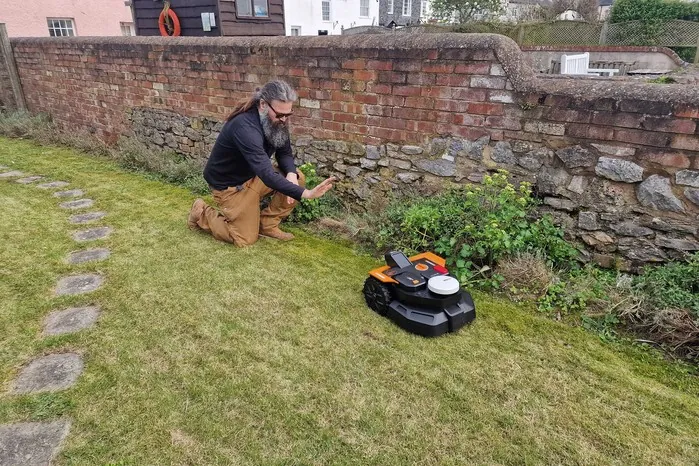
- Expect to trim edges yourself. Robotic mowers can’t cut along walls, fences, flower beds, or tree rings — a string trimmer still has a job.
How Robotic Mowers Actually Cut
A robotic mower uses a spinning disc with small, pivoting razor blades — typically two to four of them — mounted under a plastic deck. The blades aren’t sharpened in the traditional sense; they swing freely and slice grass on contact, then retract into the disc when they hit something solid. That design is deliberately low-energy: if the mower meets a rock, a toy, or a pet’s paw, the blade folds away instead of hurling debris.
Because the blades are small and the motor is battery-powered, each pass takes off only a sliver. A typical model removes 0.1 to 0.3 inches of blade height per visit. That sounds trivial, but run it three times a week and you’re effectively mowing the same lawn a conventional mower would, just in smaller increments. The turf never goes into shock, so it stays green instead of yellowing at the tips.
The trade-off is speed. A robotic mower covers ground slowly — often 0.1 to 0.3 acres per hour depending on model and lawn complexity. That’s why manufacturers rate them by lawn size and recommend running them daily or near-daily.
Why the Cut Looks Better Than Weekly Mowing
The “one-third rule” of lawn care says you should never remove more than a third of the blade height in a single mowing. A weekly cut on fast-growing spring grass routinely breaks that rule, stressing the plant and leaving visible clumps.
A robot sidesteps the problem entirely. It never takes more than a fraction of an inch, so:
- Clippings stay tiny and sift down to the soil instead of sitting on top.
- The lawn stays uniform because every zone gets visited on a rotating schedule.
- Weeds get mowed before they seed, which gradually reduces their population.
- Moisture stress drops, since short clippings shade the soil surface.
The University of Minnesota Extension notes that returning grass clippings to the lawn can supply a meaningful share of a lawn’s nitrogen needs over a season — one reason mulching mowers, robotic or not, are recommended over bagging.
Where Robotic Mowers Cut Poorly
Honesty matters here. A robot isn’t a universal replacement for every lawn.
| Problem | Why the Robot Struggles | Practical Fix |
|---|---|---|
| Grass over 4 inches tall | Blades stall or leave uncut stems | Mow down first with a conventional mower |
| Wet, soggy grass | Wheels slip, clippings clump | Run only in dry conditions; adjust schedule |
| Steep slopes over ~35% | Traction loss, boundary escapes | Choose an AWD model rated for the grade |
| Narrow strips under 2 feet | Robot can’t turn or navigate | Keep a trimmer for these zones |
| Dense obstacles (toys, hoses) | Repeated bumps, missed patches | Tidy the lawn before each run |
| Edges along walls and beds | Deck can’t reach the last 2–4 inches | Finish with a string trimmer weekly |
Warning: Never let a robotic mower run unsupervised around small children or pets until you have confirmed the lift-and-tilt sensors and bump sensors work as described in the manual. Most models stop the blades within a second or two of being lifted, but that behavior should be verified, not assumed.
What Determines Cut Quality
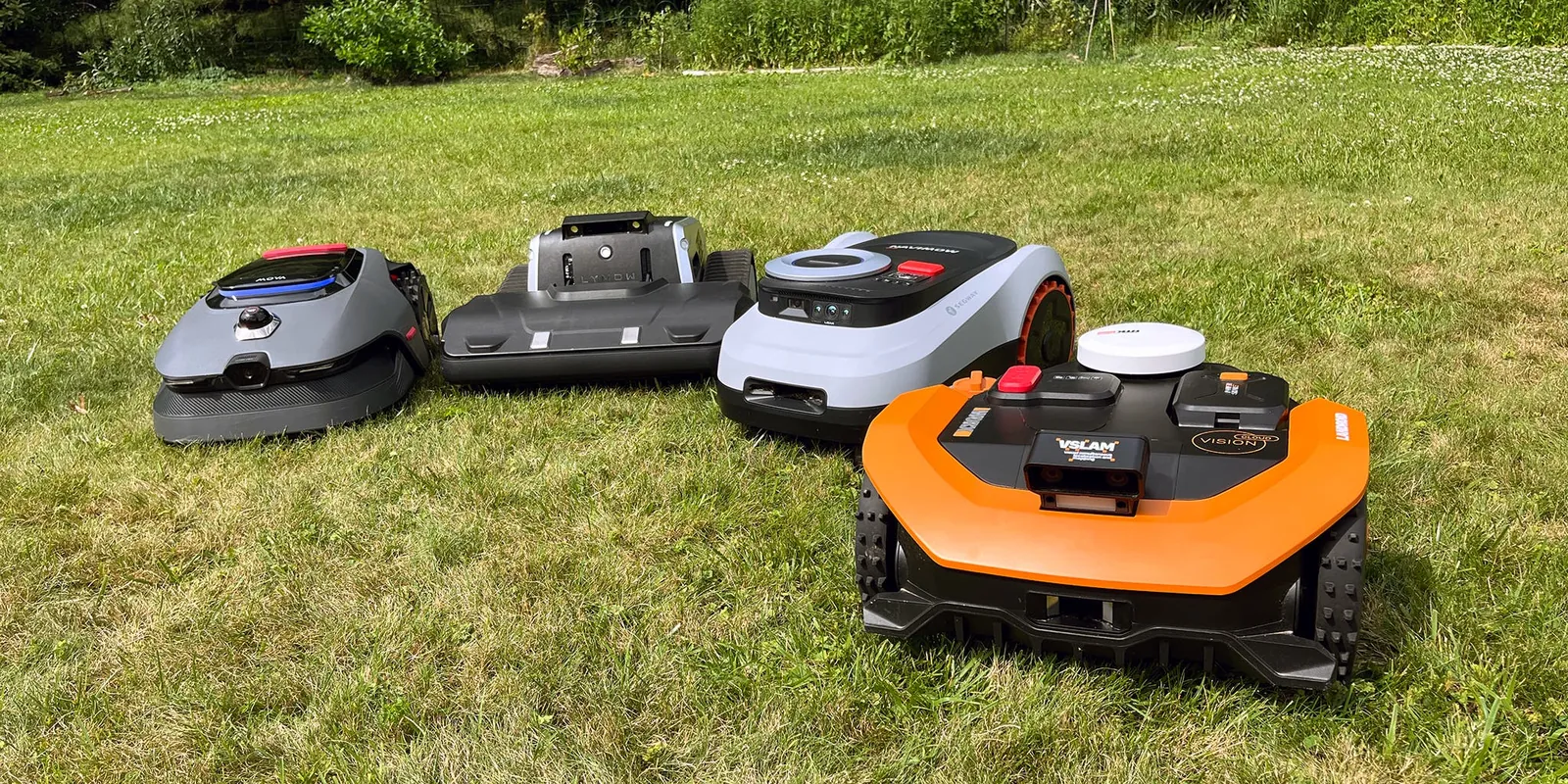
Four factors separate a lawn that looks professionally maintained from one dotted with uncut tufts.
Lawn Size vs. Model Rating
Manufacturers publish a maximum lawn area, but that figure assumes ideal conditions. If your lawn has many obstacles, slopes, or narrow passages, buy a model rated for at least 30–50% more area than you actually have. An undersized robot never finishes its cycle and leaves random patches.
Boundary Setup
Wired boundaries are still the most reliable. The perimeter wire, pegged or buried 1–2 inches down, tells the mower exactly where the lawn ends. Virtual boundaries using GPS or magnetic strips are more convenient but can drift near dense tree cover or metal structures. A sloppy boundary installation is the number one cause of missed strips and escaped mowers.
Blade Condition
Blades dull. On a robotic mower, dull blades don’t stall the motor — they just tear grass instead of slicing it, leaving ragged, brownish tips. Replace blades every 4–8 weeks during the growing season, or sooner on sandy soil. Replacement blades are cheap, usually a few dollars per set.
Mowing Schedule
Run the robot 3–5 times per week during peak growth and 1–2 times per week in slow-growth periods. Most apps let you set a schedule by day and time. Night running is popular because the lawn is dry and the robot is out of the way, though some users prefer daytime so they can spot problems.
Robotic vs. Conventional Mowers
| Factor | Robotic Mower | Push or Riding Mower |
|---|---|---|
| Cut frequency | 3–5 times per week | Once per week |
| Clipping handling | Mulched in place | Bagged or mulched |
| Effort per week | Near zero after setup | 30–90 minutes |
| Upfront cost | $700–$3,500 | $200–$3,000 |
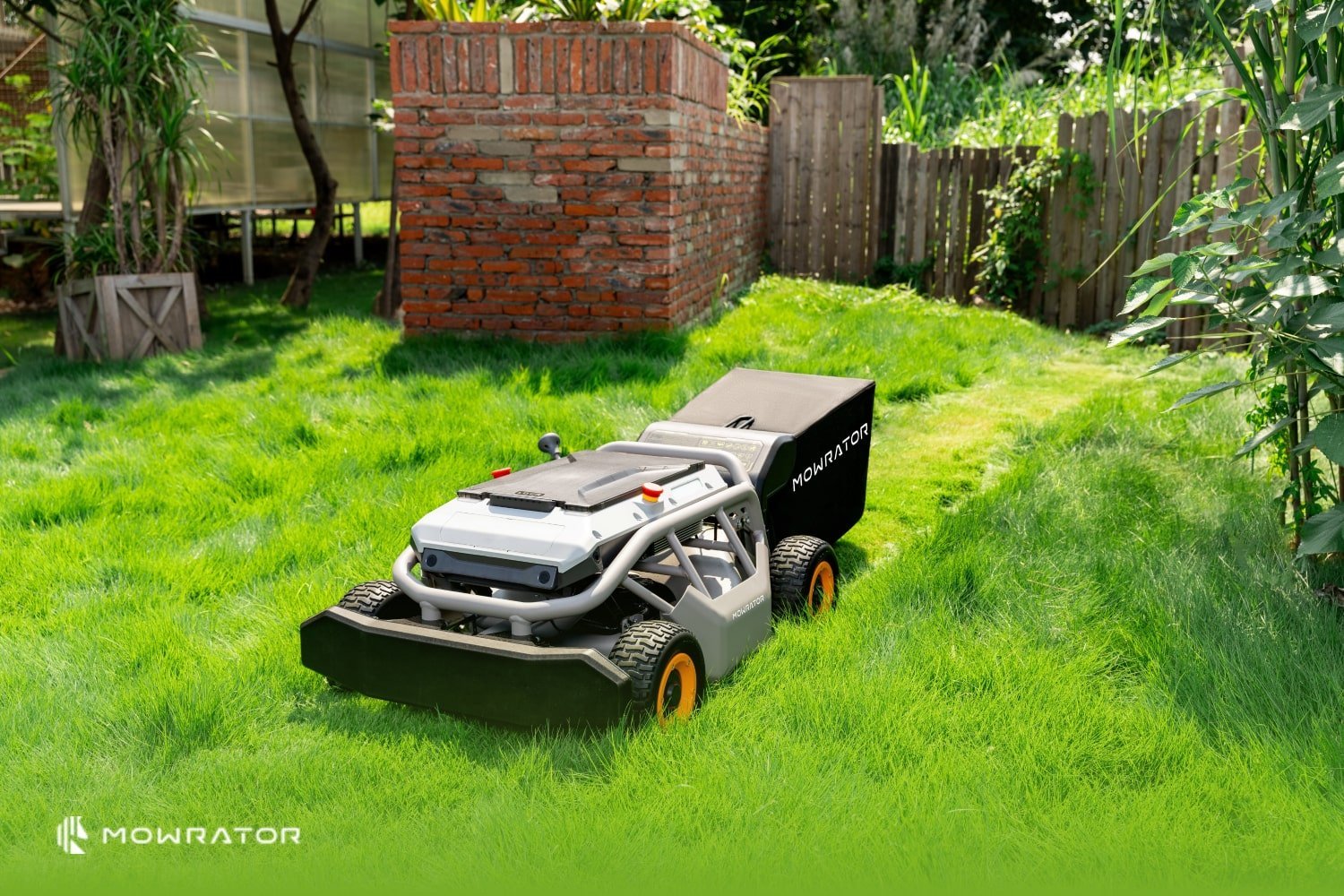
| Best for | Simple lawns under 0.5 acre | Large, complex, or overgrown lawns |
| Edge trimming | Still required | Still required |
| Theft/safety risk | Present; consider GPS tracking | Low |
Setup Costs and Ongoing Expenses
Budget beyond the sticker price. A realistic first-year picture for a typical quarter-acre lawn:
- Mower: $700–$2,000 for a mid-range wired model; $2,000–$3,500 for a GPS or AWD unit.
- Installation: $0 if you bury the wire yourself; $200–$800 for professional installation.
- Blades: $20–$50 per season.
- Electricity: a few dollars per month.
- Repairs: $100–$400 for a typical out-of-warranty fix, such as a wheel motor or battery.
Batteries are the big long-term cost. Most last 2–4 years before capacity drops enough to shorten run times.
Tips to Get a Better Cut
- Map your lawn honestly. Note slopes, narrow gaps, and shaded zones before buying.
- Start with a clean slate. Mow the lawn short with a conventional mower before the robot’s first run.
- Set overlapping schedules. Slight overlap between zones prevents missed strips.
- Keep the deck clean. Rinse the underside weekly; packed clippings reduce airflow and cut quality.
- Sharpen your expectations on edges. Plan on 10–15 minutes with a trimmer each week.
- Update firmware. Manufacturers regularly improve navigation and cutting patterns through app updates.
Pro Tip: Run the robot on a schedule that matches your grass growth, not the calendar. In spring, daily runs keep up with fast growth. In midsummer drought, cut back to twice a week so you aren’t stressing dormant turf.
Related guides
Frequently Asked Questions
Do robotic mowers cut as well as a regular mower?
On a maintained lawn, yes — often better, because the frequent light cuts keep grass uniform and stress-free. On an overgrown or very complex lawn, a conventional mower still does the heavy lifting. Think of the robot as a maintenance tool, not a rescue tool.
Can a robotic mower handle tall grass?
Poorly. Most models are designed for grass under about 4 inches. If your lawn has gotten away from you, cut it down first with a conventional mower, then let the robot take over. Trying to force it through tall grass risks stalling and uneven results.
Do robotic mowers leave clippings on the lawn?
Yes, and that’s intentional. The clippings are chopped fine enough to fall between grass blades and decompose within days. They return nitrogen and moisture to the soil. You’ll only see clumps if the grass was too tall or too wet when cut.
How often should a robotic mower run?
Three to five times per week during active growth, and once or twice weekly in slow-growth periods. Daily runs are common in spring. The goal is to never remove more than a third of the blade height in any single pass.
Are robotic mowers worth it for small lawns?
For lawns under about a quarter acre with simple shapes, they work well and save real time. For very small or highly irregular lawns with lots of beds and obstacles, a good push mower may be faster and cheaper overall.
What happens if a robotic mower hits a pet or child?
Reputable models use lift and tilt sensors plus bump detection to stop the blades almost immediately. No mower is a substitute for supervision, though. Keep children and pets away during the first few runs and confirm the safety features work before trusting them.
What to Do Next
Measure your lawn, note its slopes and obstacles, and decide whether a robot fits your layout. If it does, pick a model rated for more area than you have, install the boundary carefully, and run it often enough that it never faces tall grass.
Start with a clean, freshly cut lawn, replace blades monthly, and keep a trimmer handy for edges. Done right, a robotic mower will give you the most consistent cut on the block — with almost none of the weekend work.

Daniel Carter is a home improvement specialist and tool researcher with years of experience studying power tools, hand tools, workshop equipment, outdoor gear, and DIY projects. At HomeToolWorld, he researches products, compares features, reviews manufacturer specifications, and creates practical buying guides to help homeowners, DIY enthusiasts, and professionals make informed decisions. His goal is to provide accurate, easy-to-understand, and trustworthy content based on careful research and real-world applications.