Can Robotic Mowers Mow in Rain? What to Know First
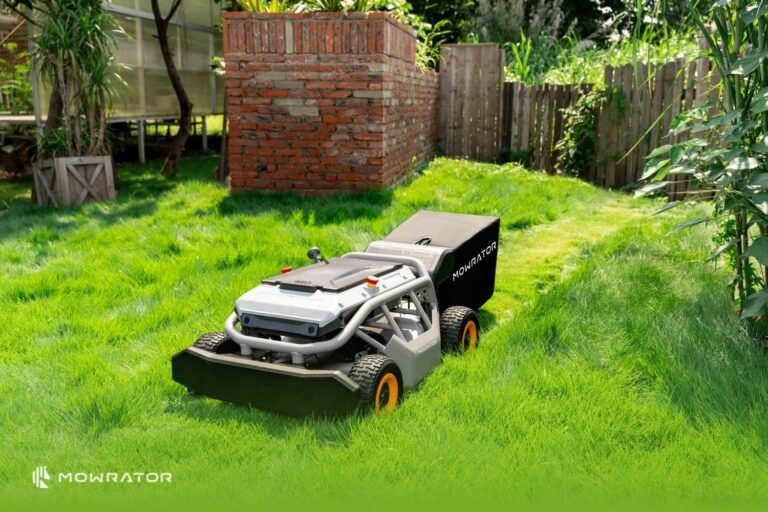
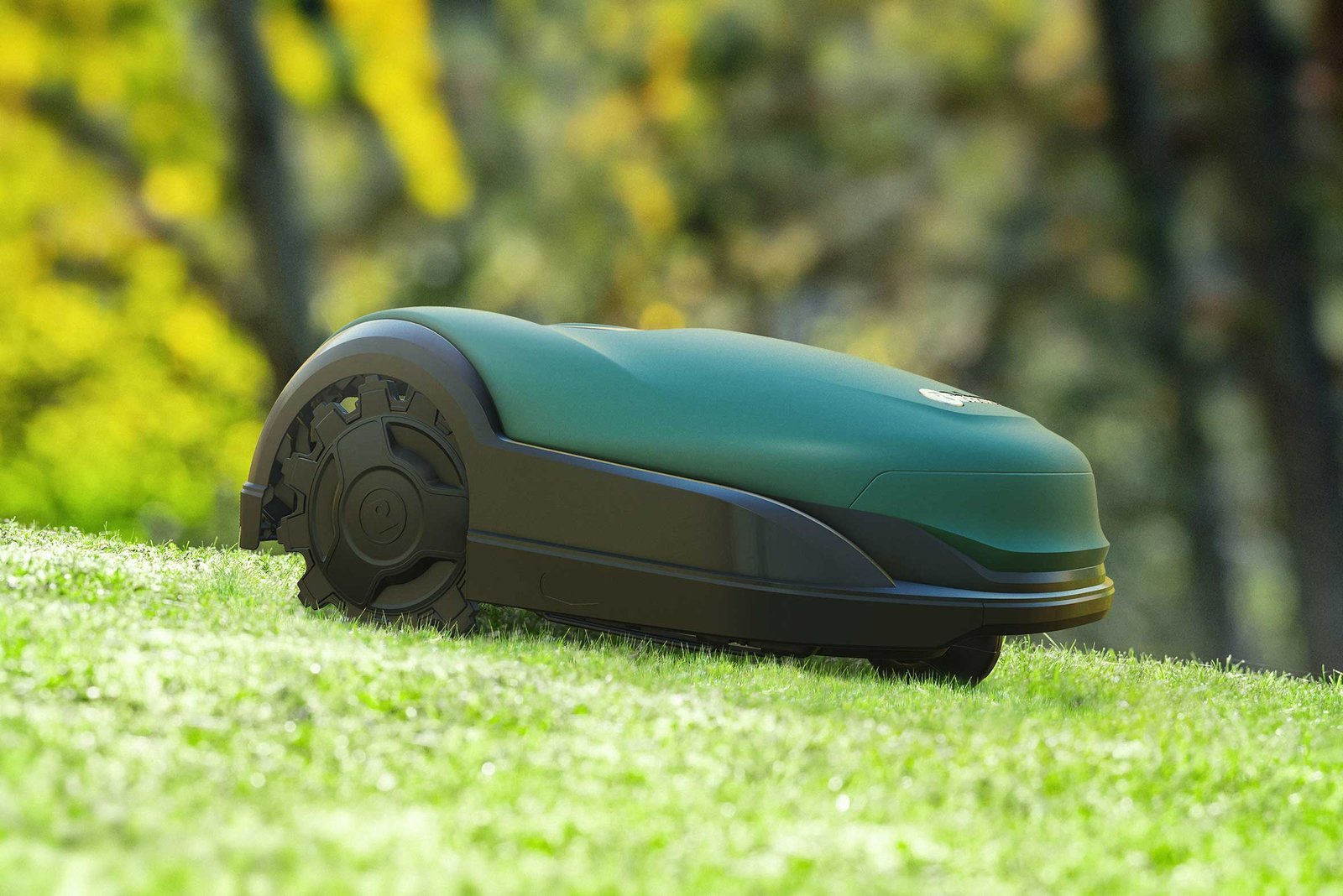
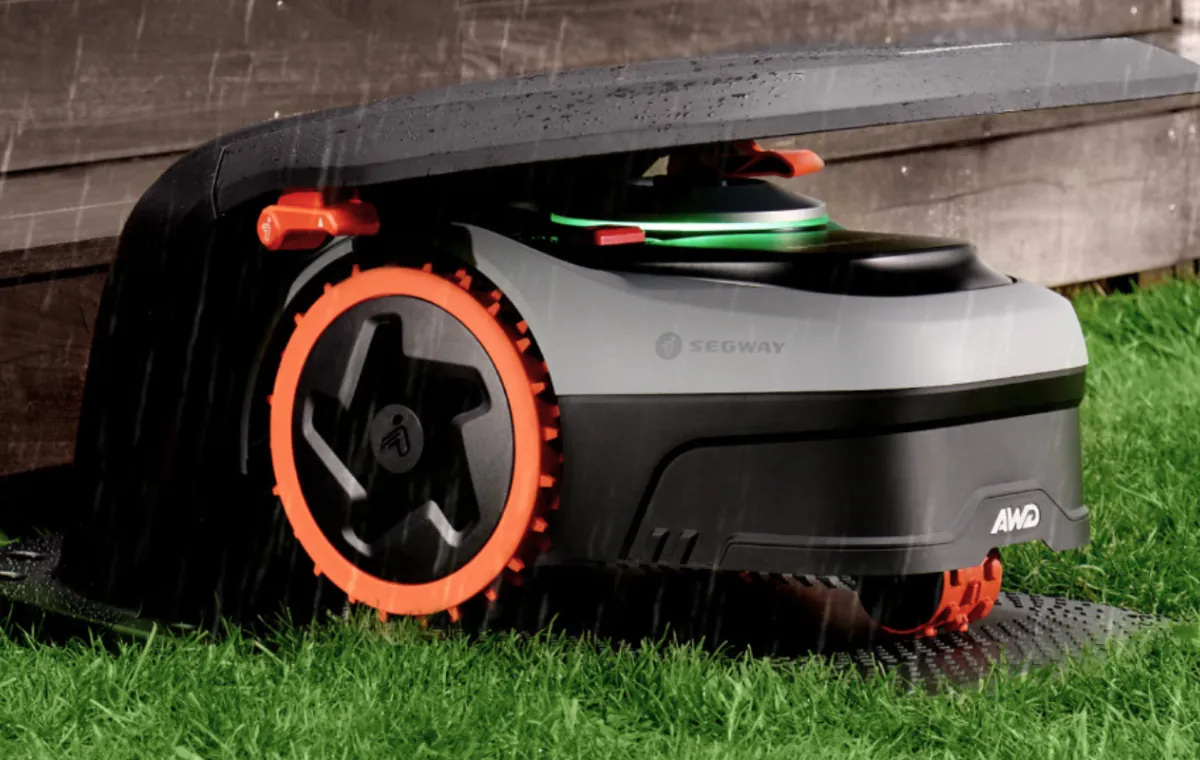
Robotic mowers can mow in rain, and most modern models are explicitly designed to keep working through light to moderate showers. The catch is that “designed for it” and “ideal conditions” aren’t the same thing. Wet grass clumps, slopes get slick, and a handful of models genuinely shouldn’t be out in a downpour. What follows is what actually happens when the sky opens up, which machines handle it best, and how to keep your mower alive if you live somewhere it rains more often than not.
Key Takeaways
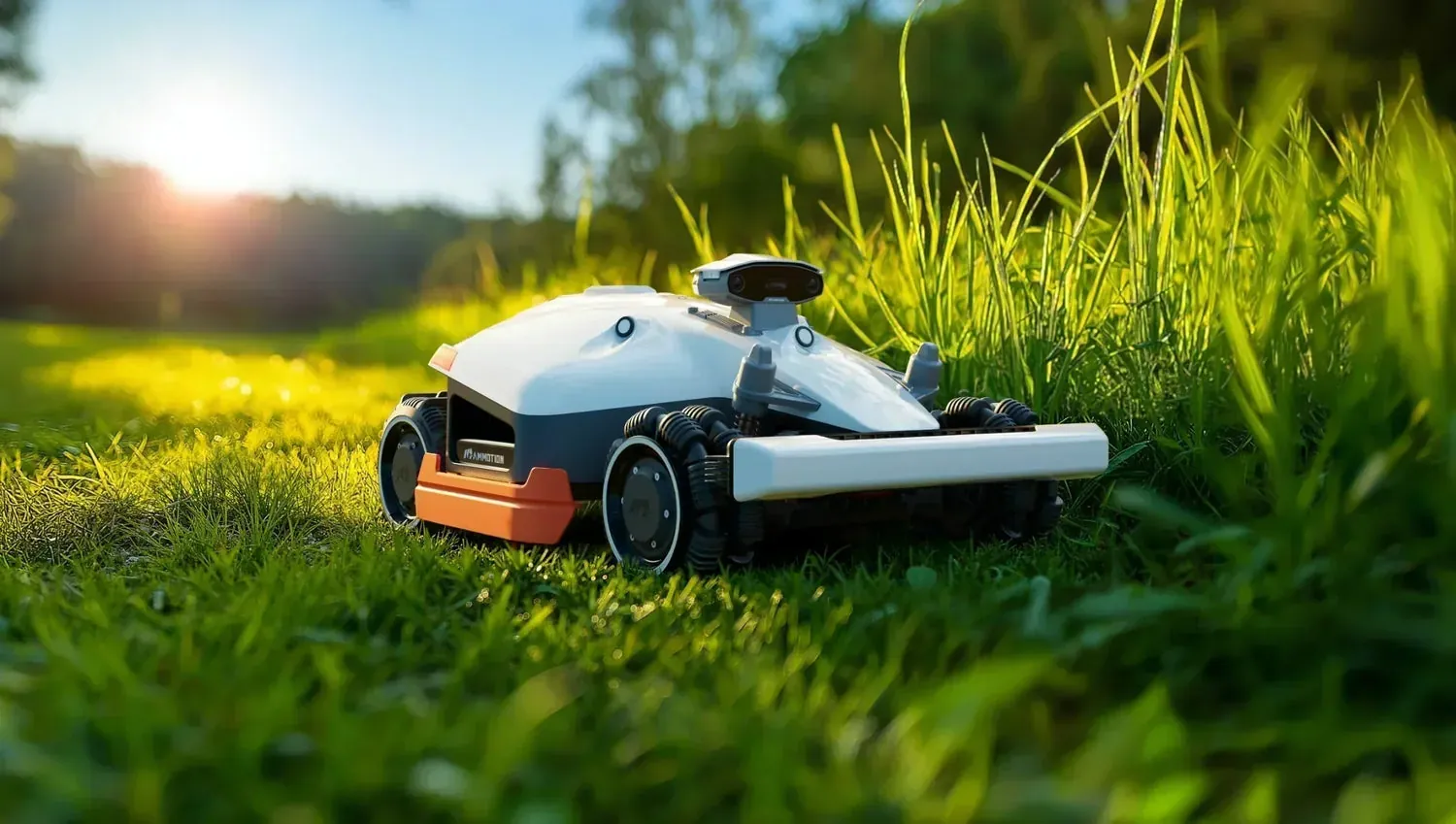
- Most robotic mowers carry an IPX4 or higher rating, meaning they tolerate rain spray but not submersion.
- Wet grass cuts unevenly because clippings clump instead of dispersing, so you’ll see more mulch buildup after a wet week.
- Traction, not electronics, is the real weak point: wet slopes and muddy patches cause more stuck-mower alerts than rain itself.
- A few models are rated only for dry conditions — check your manual before assuming yours is rain-ready.
- Running in light rain is usually fine and even good for your lawn; running in a thunderstorm isn’t worth the risk.
- You can improve wet-weather performance with sharp blades, a shorter cutting schedule, and a docking station on high ground.
What Rain Actually Does to a Robotic Mower
Rain affects a robotic mower in three separate ways, and only one of them is about water damage.
The first is electronics exposure. Robotic mowers are built with sealed motors, potted circuit boards, and weatherproof housings. A unit rated IPX4 survives splashing water from any direction. That’s the standard most manufacturers build to, and it’s why a mower can sit out in a drizzle for hours without issue.
The second is traction loss. Wet grass is slippery grass. A mower that climbs a 30-degree slope in dry conditions may spin its wheels on the same slope after rain. This is the most common reason a robotic mower stops mid-job in wet weather, and it usually shows up as a “lifted” or “outside boundary” error rather than a water problem.
The third is cut quality. Wet clippings are heavy. Instead of being flung back into the turf as fine mulch, they stick together and drop in clumps. Over a few wet days, those clumps can smother patches of grass underneath.
Pro Tip: If your mower reports errors during rain but runs fine when dry, the issue is almost always traction or a wet sensor, not water damage.
Which Mowers Are Rated for Rain?
Not every robotic mower is rain-rated. Budget models and older units sometimes specify dry-weather use only. Check the IP rating in your manual — it’s the single clearest indicator.
| IP Rating | Water Protection | Typical Use |
|---|---|---|
| IPX0 | None | Indoor or covered use only |
| IPX4 | Splash-resistant from all directions | Light to moderate rain |
| IPX5 | Water jets from a nozzle | Heavy rain, hose rinsing |
| IPX6 | Powerful water jets | Heavy rain, washdown |
Most mainstream robotic mowers from Husqvarna, Worx, Segway, and STIHL are rated IPX4 or better. That means they can handle rain, but you should still avoid leaving them in standing water or spraying them directly with a pressure washer unless the rating supports it.
Warning: An IPX4 rating covers rain, not flooding. If your lawn has a spot that pools water, keep the mower’s boundary wire away from it.
How Wet Grass Changes Cut Quality
A robotic mower cuts a tiny amount of grass very frequently — often every day. In dry conditions, that fine clipping drops back into the lawn and breaks down quickly. In wet conditions, the same clipping behaves differently.
Wet clippings clump because surface tension holds them together. Instead of scattering, they form mats. Those mats block sunlight and trap moisture against the soil, which is exactly the environment fungal diseases like dollar spot prefer.
The fix isn’t to stop mowing. It’s to mow more often and cut slightly shorter during wet spells, so each pass removes less material. A mower set to cut 0.1 inch per day in wet weather produces far fewer clumps than one set to cut 0.4 inch twice a week.
You can also raise the cutting height slightly in wet conditions. Taller grass dries faster and the mower has less wet tissue to process per pass.
Traction Problems on Wet Slopes
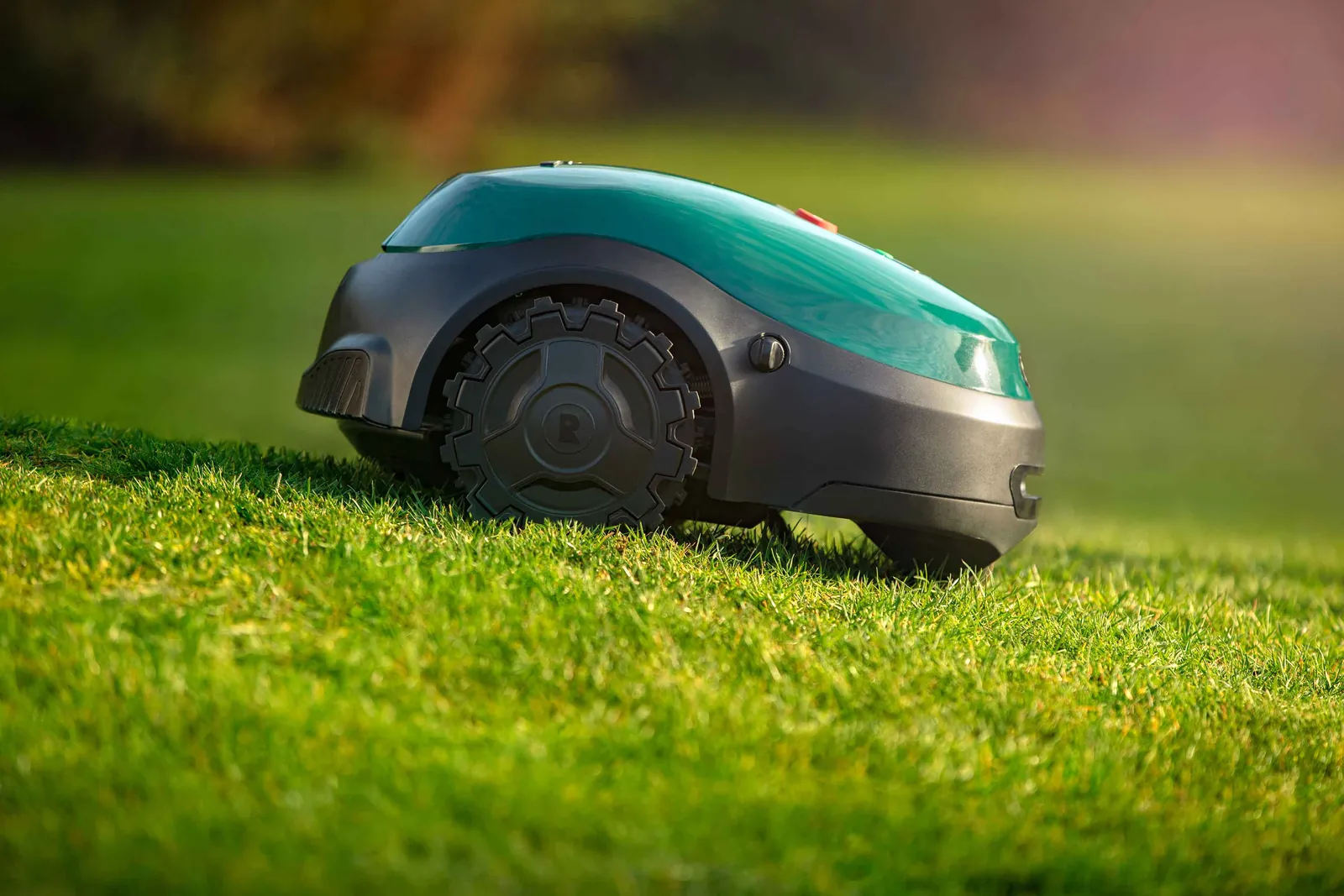
Traction is where wet weather separates capable mowers from struggling ones. The variables that matter are wheel design, weight distribution, and slope angle.
Mowers with deep-tread rubber wheels and driven rear axles handle wet slopes far better than smooth-wheeled or two-wheel-drive budget units. Four-wheel-drive models from brands like Husqvarna’s Automower line and some Segway Navimow models are specifically marketed for steep, wet terrain.
If your lawn has a slope steeper than about 25 degrees, wet-weather reliability drops sharply regardless of the brand. In that case, the honest answer is that your mower will need to skip wet days, and you should plan a schedule that lets it catch up afterward.
Pro Tip: If your mower gets stuck in the same wet spot repeatedly, install a small gravel pad or a strip of artificial turf along that path. It costs very little and solves the problem permanently.
Rain Sensors and Weather Scheduling
Many robotic mowers include a rain sensor that pauses the mower when moisture is detected and resumes once it dries. This is a genuinely useful feature, but it isn’t universal.
If your mower has one, you can usually adjust the sensitivity. A high sensitivity setting stops the mower at the first drop; a low setting lets it keep working through light rain. For most lawns, a medium setting is the right balance.
If your mower lacks a rain sensor, you can replicate the function with the companion app. Most modern apps support weather-based scheduling that pulls a local forecast and delays mowing automatically. Set it to skip only heavy-rain days, not every day with a chance of showers, or your lawn will get ahead of the mower.
Models That Handle Rain Well
The table below groups mowers by how they typically perform in wet conditions. These are general categories based on published specifications, not test results.
| Category | Rain Behavior | Examples |
|---|---|---|
| Premium AWD | Handles light to moderate rain, steep wet slopes | Husqvarna Automower 450X, 435X AWD |
| Mid-range 2WD | Handles light rain on flat ground | Worx Landroid, Segway Navimow i Series |
| Budget models | Often dry-weather only or IPX0 | Various no-name brands |
| Commercial-grade | Rated for heavy rain, washdown | Husqvarna Automower 550 EPOS |
The pattern is consistent: more money buys better sealing, better traction, and better slope handling. That matters most if you live in a wet climate.
When You Should Stop the Mower
Rain alone is rarely a reason to stop. Lightning is. If there’s thunder or lightning in the forecast, dock the mower and unplug the charging station. A robotic mower is a small electrical device sitting on an exposed lawn, and there’s no upside to leaving it out during a storm.
You should also stop the mower if:
- Standing water is visible on the lawn
- The mower has gotten stuck twice in the same session
- Temperatures are near or below freezing, since ice can damage blades and housing
- The lawn is so saturated that the wheels leave ruts
Warning: Never hose down a robotic mower to clean it unless the manual explicitly permits it. Water forced into seals is the fastest way to void a warranty.
Maintaining Your Mower for Wet Weather
Wet-weather reliability is mostly a maintenance issue. A few habits make a large difference.
- Sharpen or replace blades every 4-6 weeks during growing season. Dull blades tear wet grass instead of cutting it.
- Clean the underside after wet weeks. Wet clippings pack into the cutting deck and reduce airflow.
- Check the charging contacts for corrosion. Damp contacts cause charging faults.
- Inspect the boundary wire for nicks. Wet soil conducts better, and a damaged wire can trigger false boundary errors.
- Store the dock on high ground so water drains away from the contacts.
The U.S. Consumer Product Safety Commission maintains voluntary standards for outdoor power equipment, which is a useful reference if you’re checking whether a specific model meets recognized safety expectations.
Frequently Asked Questions
Can a robotic mower mow in heavy rain?
Most IPX4-rated mowers can run in heavy rain without electrical damage, but cut quality drops and traction becomes unreliable. Heavy rain is a good time to let the mower dock and catch up later. If your model is rated IPX5 or higher, it’s built for heavier exposure.
Will rain damage my robotic mower?
No, provided it carries an IPX4 rating or better and the seals are intact. Rain damage usually happens because of worn seals, pressure washing, or standing water — not normal rainfall. Check the manual for your specific rating before assuming.
Why does my robotic mower stop when it rains?
Three common causes: a rain sensor pausing the schedule, a traction error on a wet slope, or a wet sensor triggering a false lift or boundary alert. Check the error code in the app — it usually points to which one it is.
Should I bring my robotic mower inside when it rains?
Not necessary for rain-rated models. Bringing it in repeatedly wears the charging contacts and interrupts its schedule. Only bring it in for thunderstorms, flooding, or freezing temperatures.
Does wet grass dull mower blades faster?
Yes. Wet grass and the grit it carries accelerate blade wear. During a wet stretch, check blade sharpness every two to three weeks instead of the usual monthly check.
Can I mow wet grass with any robotic mower?
No. Some budget and older models are rated for dry conditions only. Running those in rain risks electrical damage and voids the warranty. Always confirm the IP rating in the manual first.
Conclusion
If your mower is rain-rated, let it work through light showers and rely on the app to skip the storms. Start by checking your model’s IP rating and rain sensor settings today, then adjust your cutting height and schedule for the wet season — that combination solves most wet-weather problems before they start.

Daniel Carter is a home improvement specialist and tool researcher with years of experience studying power tools, hand tools, workshop equipment, outdoor gear, and DIY projects. At HomeToolWorld, he researches products, compares features, reviews manufacturer specifications, and creates practical buying guides to help homeowners, DIY enthusiasts, and professionals make informed decisions. His goal is to provide accurate, easy-to-understand, and trustworthy content based on careful research and real-world applications.