
Robotic Mower for Large Property: How Many You Need
A robotic mower can handle a large property if you match the machine to the lawn, not the other way around. As a rough guide, one robot covers up to about 1.25 acres of actual grass, and most homes need two or three robots to cover 2–5 acres. The sections below cover the numbers, the setup, and the limits a short answer can’t fit.
What a robotic mower for a large property really does

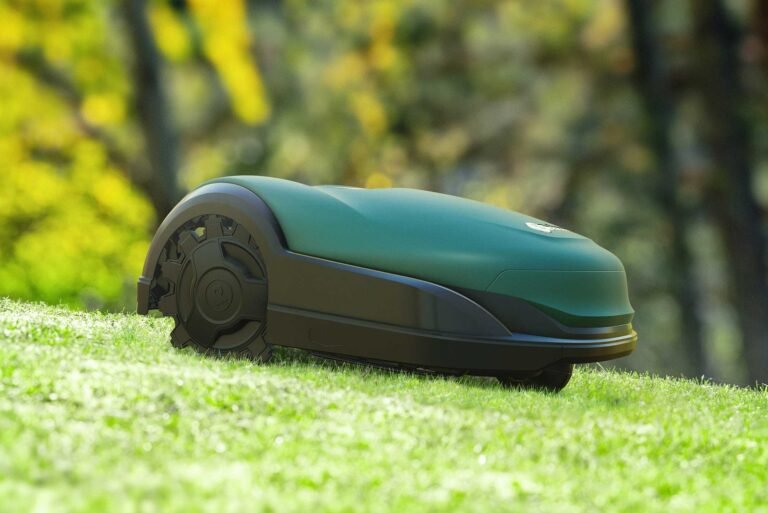
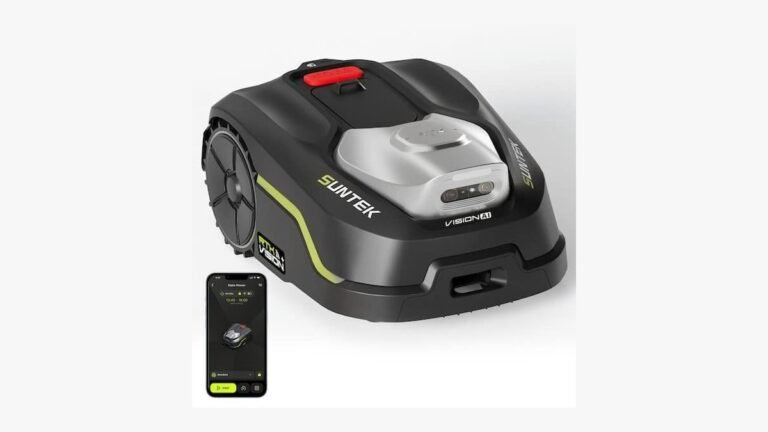
A robotic mower is a battery-powered machine that cuts grass in short, frequent passes instead of one long weekly cut. You set a boundary, program a schedule, and it works on its own. For a large property, the main appeal is time: no more spending hours on a rider every weekend.
It’s built for people with 1 acre of lawn or more, and it works best on simple, open shapes. The one thing people get wrong is thinking one robot covers any size. It doesn’t. Coverage depends on daily run hours, battery size, and how much of your land is actually grass — not on the total acreage on your deed.
How to set up a robotic mower on a large lawn
- Measure the real grass area. Walk the lawn or check a satellite map. A 5-acre property often has only 2–3 acres of actual lawn.
- Pick a mower rated for 1.5 to 2 times that area. The extra margin covers rain days and slow growth.
- Lay the boundary wire or set the GPS reference points. Allow 12–14 inches from walls, beds, and trees.
- Set the schedule to run daily. For a large lawn, aim for 8–12 hours of cutting time per day, split into two or three sessions.
- Add a charging station near the center. A central dock means shorter trips and more cutting time.
- Run a full test week. Watch for stuck spots, poor coverage at edges, and battery warnings.
- Adjust the cutting height to 2.5–3 inches. Taller grass handles heat and drought better.
The single judgement call that decides success is run time per day. A robot rated for 1.25 acres won’t cover that area in 4 hours — it needs most of the day. If your lawn is steep, heavily planted, or split by fences, the real coverage drops fast.
A robot that needs a guide wire through a narrow gate, or a mower that climbs slopes over 35%, is a job for a dealer who installs these systems. Steep slopes and buried cables are where DIY setups fail.
Key numbers for large-lawn robotic mowers
Coverage ratings assume flat ground, grass that grows at a normal pace, and a full daily schedule. Cut those numbers by about 30% for slopes, thick grass, or heavy shade.
| Situation | What to use | How long | What to watch for |
|---|---|---|---|
| 1–1.25 acres, flat, open | One robot rated for 1.25 acres | 8–10 hours a day | Battery swaps in peak season |
| 2–3 acres, flat | Two robots, or one high-capacity model | 10–12 hours a day | Charging time eats cutting time |
| 3–5 acres, mixed terrain | Two to three robots, zoned | All daylight hours | Zones need separate schedules |
| Lawn split by fences or gates | One robot per zone | Per zone, full day | Wire routing through gates |
| Slopes over 25% | Slope-rated model only | Shorter sessions | Traction loss, wheel slip |
| Heavy shade or wet climate | One size up from the rating | Same hours | Slower growth, more moss |
| Lawn under 0.5 acres | Standard robot, not a large-property one | 4–6 hours a day | Overspending on capacity |
What separates a good install from a bad one
Experienced installers measure the grass first, then buy the mower. The deed says 4 acres, but the mowable lawn is often 2. They also zone the property before laying a single wire. A large lawn with a house, a driveway, and a fence line is really three or four separate lawns, and each one needs its own schedule.
They run the boundary wire with a proper loop and a signal check before burying it. A wire that’s too close to a wall leaves an uncut strip you’ll trim by hand all season. A wire that crosses itself confuses the mower.
Partway through the season, they check the blades. Dull blades tear grass instead of cutting it, and torn tips turn brown. They also leave the schedule alone once it works. Changing run times every week restarts the learning period and wastes battery cycles.
Common problems and quick fixes

| What you notice | What it usually means | What to do first |
|---|---|---|
| Strips of uncut grass at edges | Boundary wire too far from the edge | Move the wire 2–3 inches closer |
| Robot stuck in the same spot daily | A dip, root, or soft patch in the lawn | Fill the dip or add a no-go zone |
| Battery drains before the lawn is done | Mower undersized for the area | Add a second robot or extend hours |
| Uneven cut, some patches taller | Mowing height too low for growth speed | Raise the height by half an inch |
| Robot stops near the dock | Charging contacts dirty or misaligned | Clean the contacts, check alignment |
The rules and limits that apply
Robotic lawn mowers are covered by voluntary safety standards, including blade-stop requirements and warnings about children and pets in the cutting area.
Most manufacturers void the warranty if you open the sealed motor or battery housing. Boundary wire installation near buried utility lines is a call to 811, the national call-before-you-dig service — cutting a gas or power line is a real risk and not a DIY job.
Keeping the mower working season after season
Store the mower and dock indoors before the first hard freeze, and charge the battery to about half before storage. Leaving a lithium battery flat for months shortens its life.
Clean the underside every few weeks during the season — wet grass clippings harden and jam the blades. Replace blades when the cut looks ragged, not on a fixed calendar. Repair or replace the boundary wire if the mower starts drifting past its edge. Follow the maker’s own service schedule, since intervals differ by model.
When a robotic mower isn’t the right choice

If your lawn is mostly steep slope over 35%, a robot will slip and stall. Use a remote-control slope mower or a professional service instead. If your property is heavily wooded with narrow paths, the wire routing cost may outweigh the time saved.
If you only mow 0.3 acres, a standard push or ride-on mower costs far less and does the job in 20 minutes. And if you rent the property, check with the owner before installing boundary wire — it’s a permanent change to the lawn.
Frequently asked questions
How many acres can one robotic mower handle?
One robot covers up to about 1.25 acres of actual grass on a full daily schedule. For 2–5 acres, plan on two or three robots, or a high-capacity model rated for that area. Cut the rating by about 30% for slopes or thick grass.
How long does a robotic mower run each day on a large lawn?
Plan on 8–12 hours of cutting time per day, split into sessions with charging breaks. That assumes flat ground and normal grass growth. On slopes or in peak spring growth, add 2–3 more hours or a second robot.
Is it safe to run a robotic mower with pets and kids outside?
Yes, if the mower has a blade-stop function and you keep the schedule to times when the lawn is empty. These machines are covered by voluntary safety standards that include blade-stop functions. Keep children and pets away while it’s cutting, and never disable the lift sensor.
Can a robotic mower handle a lawn with slopes?
It can handle gentle slopes, but most models stop working above 25–35% incline. Check your model’s slope rating before buying. For steeper ground, use a slope-rated model or a remote-control mower instead.
What happens if the boundary wire breaks?
The mower stops at the break point and sends an alert. Use the maker’s wire-tracing tool to locate the break. Repair the break with a waterproof splice kit and bury it again.
How often do robotic mower blades need replacing?
Replace blades when the grass tips look torn or brown, which is usually every 4–8 weeks in the growing season on a large lawn. That range assumes daily mowing on a big property. Smaller lawns need changes less often.
Do I need a professional to install a robotic mower on 5 acres?
For 5 acres with fences, gates, or slopes, yes — a dealer who installs these systems saves you weeks of trial and error. For a flat, open 1–2 acre lawn, a careful DIY install works fine with the maker’s guide.
Conclusion
A large property doesn’t rule out a robotic mower — it just changes the math. Measure your real grass area, buy one size up, and expect two robots for anything over 2 acres. Get the boundary right the first time, and the mower quietly takes the weekend back.

Daniel Carter is a home improvement specialist and tool researcher with years of experience studying power tools, hand tools, workshop equipment, outdoor gear, and DIY projects. At HomeToolWorld, he researches products, compares features, reviews manufacturer specifications, and creates practical buying guides to help homeowners, DIY enthusiasts, and professionals make informed decisions. His goal is to provide accurate, easy-to-understand, and trustworthy content based on careful research and real-world applications.