Robotic Lawn Mower Cutting Width: How to Choose the Right Size
A robotic lawn mower’s cutting width is the size of the circle its blades sweep in one pass — most models sold for homes cut between 6 and 9 inches. A wider deck finishes a lawn in fewer passes, so a 0.25-acre yard usually needs a wider model than a small townhouse lawn.
How robotic mower cutting width works

Cutting width sets how much grass the mower clears with each trip across the lawn. A mower with a 9-inch deck covers ground faster than one with a 6-inch deck, but it also needs more open space to turn and reach tight corners.
Most robotic mowers fall into three rough bands. Small models handle tight, simple lawns. Mid-size models suit most suburban yards. Large models cover bigger, open lawns in less time.
- Cutting width is the blade sweep, not the mower’s body size — a wide body can still have a narrow deck.
- A 6-inch deck suits lawns under about 0.15 acres with lots of beds and paths to work around.
- A 9-inch deck covers open lawns faster but struggles in narrow gaps under 12 inches wide.
- Wider decks need a bigger battery or more charging trips, since each pass cuts more grass.
- The guide wire or boundary setting, not the deck, decides where the mower can actually go.
- Match the deck to your lawn’s shape first, then check the daily mowing time the maker lists.
Why a wider deck isn’t always faster
A wider deck cuts more grass per pass, but it also draws more power from the battery. That trade-off is the whole story behind cutting width. A 9-inch deck on a small battery will drain faster and spend more time charging than a 6-inch deck on the same battery.
Robotic mowers cut a little at a time, many times a week, instead of one big cut. So the deck size matters less than how often the mower runs. A narrow deck that runs daily often beats a wide deck that runs twice a week, because the grass never gets long enough to slow the blades.
Your lawn’s shape decides more than the number on the box. A wide deck is wasted on a yard full of trees, flower beds and narrow paths, because the mower spends its time turning, not cutting. Open, simple lawns reward a wider deck. Cluttered lawns reward a smaller one that slips into gaps.
Check the maker’s own spec sheet for the deck size and the daily area it claims. That pairing — width plus battery — is the real number, not the width alone.
When a different width suits you better
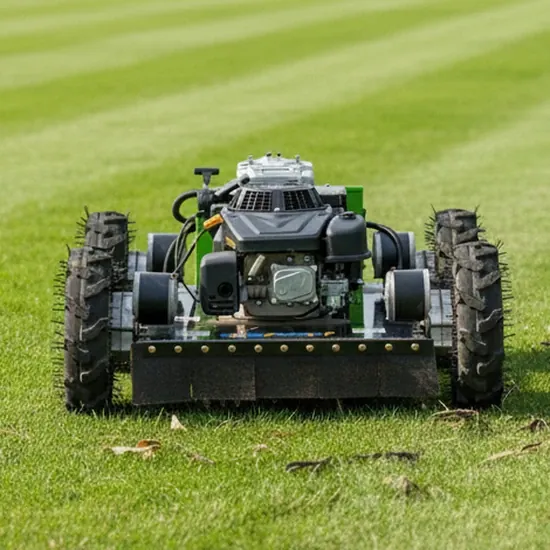
The right width flips depending on your lawn, not the marketing. If your yard is open and simple, go wider; if it’s broken up by beds, paths and narrow gaps, go narrower. The table below covers the cases where the simple answer changes.
| Situation | What changes | What to do instead |
|---|---|---|
| Lawn under 0.15 acres | Wide deck wastes power | Pick a 6-inch deck |
| Narrow gaps under 12 inches | Wide deck can’t fit | Choose a smaller body |
| Many trees and flower beds | Turning slows cutting | Favor maneuverability |
| Sloped lawn | Wide deck slips more | Use a lighter, narrower model |
| Very large open lawn | Narrow deck takes longer | Choose the widest deck |
| Short daily run window | Wide deck needs more charge | Match battery to deck |
Setting up for the right cut
Getting the cut right is less about the deck and more about how you set the mower up. Follow these steps in order, and check each one before moving to the next.
- Measure your lawn’s open area in square feet, ignoring beds and paths. This tells you the real size the mower has to cover, not the plot size on your deed.
- Measure your narrowest gap between obstacles. If it’s under 12 inches, a wide deck won’t pass, so pick a narrower model or move the obstacle.
- Check the maker’s stated cutting width and daily area on the official spec page. These two numbers together tell you if the mower fits your lawn.
- Set the cutting height to about one-third of the grass blade at a time. Cutting more than that stresses the grass and can leave clumps.
- Lay the boundary wire or set the digital map so the mower overlaps each pass slightly. A small overlap stops stripes of uncut grass.
- Run the mower daily for the first week and watch where it struggles. Adjust the schedule or the boundary if it keeps getting stuck.
- Check the blades every few weeks and replace them when they look dull. Dull blades tear grass instead of cutting it clean.
The U.S. Consumer Product Safety Commission publishes safety guidance for robotic mowers that’s worth reading before you set one loose in a yard with kids or pets.
Mistakes that spoil the cut

Cutting width problems usually come from setup, not the mower itself. These are the errors that show up most.
- Buying the widest deck for a small, cluttered lawn. The mower spends its time turning and never finishes the job cleanly.
- Ignoring the battery when choosing a wide deck. A big deck on a small battery means more charging and less cutting.
- Setting the cutting height too low in one go. This scalps the lawn and leaves brown patches that take weeks to recover.
- Skipping the overlap between passes. Thin strips of uncut grass appear and make the whole lawn look uneven.
- Never checking the blades. Dull blades tear the grass tips, which turns them brown and invites disease.
Related guides
- Best Circular Saws 2026: Top 11 Picks for Powerful Precision Cutting
- Best Miter Saws 2026: Top Picks for Precision Cutting and Value
- Best Utility Knives for Heavy-Duty Cutting and Precision Tasks
Frequently asked questions
What is a good cutting width for a robotic lawn mower?
For most home lawns, 6 to 9 inches is the useful range. A 6-inch deck suits small or cluttered yards under about 0.15 acres. A 9-inch deck suits open lawns where the mower can run long, straight passes without hitting beds, trees or narrow paths.
Does a wider cutting width mean faster mowing?
Not always. A wider deck clears more grass per pass, but it also drains the battery faster, so the mower may charge more often. On a small lawn or one with many obstacles, a narrower deck can finish just as fast because it turns and fits into gaps more easily.
Can a robotic mower with a wide deck fit through a narrow gap?
Usually not if the gap is under about 12 inches. The deck width plus the mower’s body and sensors decide the smallest gap it can pass. Measure your tightest gap before buying, and check the maker’s stated minimum passage width on the official spec page.
How often should a robotic mower run to cut well?
Daily is best for most lawns during the growing season. Short, frequent cuts keep the grass at the right height and stop clumps forming. In slow-growth months, you can drop to every other day. The maker’s app usually lets you set the schedule to match your grass.
Is it safe to run a robotic mower with a wide deck near pets?
It’s safe if the mower has the safety features the maker lists, like lift and tilt sensors and a stop button. Keep pets and kids away while it runs, and check the CPSC guidance for robotic mowers. Never disable the safety sensors to make the mower cover more ground.
What happens if the cutting width is too wide for my lawn?
The mower keeps getting stuck, turning too often, or running out of battery before it finishes. You’ll see uncut patches and more charging trips. If that happens, either move obstacles to open up the lawn or switch to a narrower model that fits your space.
Does cutting width matter for a sloped lawn?
Yes, and a wide deck can make slopes harder. A wider, heavier deck slips more on inclines. A lighter, narrower model grips better and cuts more evenly. Check the maker’s stated maximum slope for your model before you rely on it on a hill.
Can I change the cutting width on my mower?
No. Cutting width is fixed by the deck and blade size, so you can’t adjust it like cutting height. If the width doesn’t suit your lawn, the fix is a different model, not a setting. Check the spec sheet before buying so you get the right deck the first time.
Conclusion
Matching cutting width to your lawn’s shape and size matters more than chasing the biggest number. Measure your space, check the battery that comes with the deck, and set the mower to run often. Do that, and the cut stays even without much effort from you.

Daniel Carter is a home improvement specialist and tool researcher with years of experience studying power tools, hand tools, workshop equipment, outdoor gear, and DIY projects. At HomeToolWorld, he researches products, compares features, reviews manufacturer specifications, and creates practical buying guides to help homeowners, DIY enthusiasts, and professionals make informed decisions. His goal is to provide accurate, easy-to-understand, and trustworthy content based on careful research and real-world applications.