
Robotic Lawn Mower Buying Guide: How to Pick the Right One
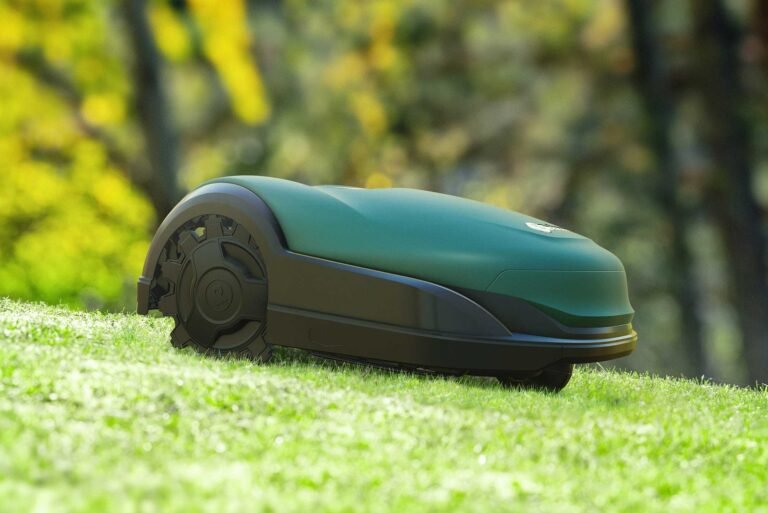
A robotic lawn mower is a battery-powered machine that cuts your grass on its own, usually every day, so the clippings stay short and break down into the lawn. You set a boundary, pick a schedule, and it works without you. It’s for people with a lawn up to about half an acre who don’t want to push a mower every weekend. The common misconception is that it replaces all lawn care. It doesn’t cut edges well, and it won’t help a lawn that’s already overgrown.
How a robotic mower finds its way

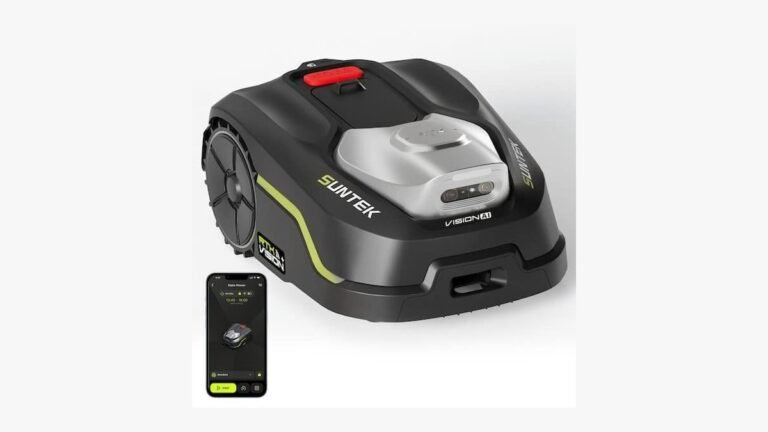
A robotic mower needs to know where the grass ends and the flowerbed begins. Most models use a boundary wire you bury or peg around the lawn’s edge, and the mower follows that wire to stay inside. Some newer models use GPS or camera navigation instead, with no wire at all. That difference — wire or no wire — is the biggest choice you’ll make.
How to set up a robotic mower
- Measure your lawn in square feet, ignoring the house and beds. Write the number down. Every model lists a maximum area.
- Check your slope with a level or a phone app. Most mowers handle up to about 25%, but check your model’s spec sheet — some stop at 15%.
- Plan the boundary wire (if your model uses one) about 12 inches from walls and 8 inches from flowerbeds, so the mower can turn without hitting anything.
- Lay the wire around the whole lawn, peg it every 3 feet, and bury it if you want it hidden.
- Place the charging station on a flat, shaded spot near an outdoor outlet, with at least 3 feet of clear space in front.
- Set the cutting height to about 2.5 to 3 inches for the first two weeks. The mower needs short grass to work well.
- Run it daily for the first week, then adjust the schedule to what your lawn needs.
The one judgement call that matters most: cut the lawn short with a regular mower before the robot’s first run. If you skip this, the robot hits tall grass, stalls, and you’ll blame the machine for a problem you created.
Numbers and settings to know
The table below covers the main situations you’ll face. Treat the times as typical ranges, not promises — your grass type and weather change them.
| Situation | What to use | How long | What to watch for |
|---|---|---|---|
| Small lawn, under 0.15 acre | Entry-level model, 1 battery | 1–2 hours per charge | It may finish in one run; don’t over-schedule |
| Medium lawn, 0.15–0.5 acre | Mid-range model, GPS or wire | 2–4 hours per charge | May need two runs a day in peak season |
| Large lawn, over 0.5 acre | High-capacity model or two mowers | 4+ hours, or all day | One mower often can’t keep up alone |
| Steep slope, over 20% | Model rated for slopes | Shorter runs, slower speed | Check the slope rating before buying |
| Narrow passages under 2 feet | Model with tight turning | Varies | Many mowers can’t fit — measure first |
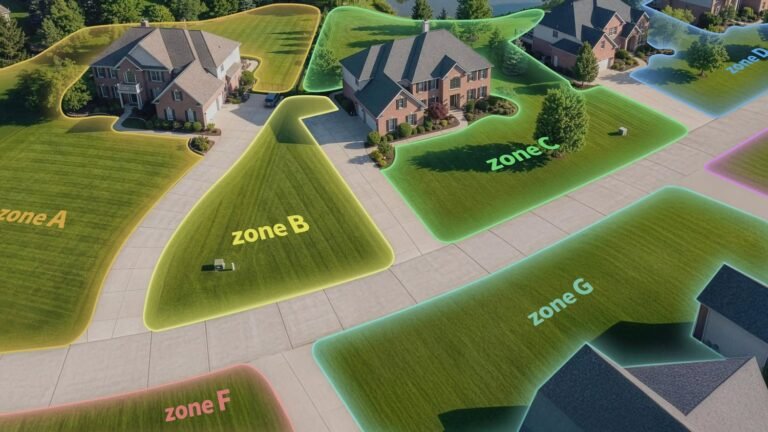
| Multiple grass zones | Wire with a guide loop | Same as normal | Needs careful wire planning |
What separates a good result from a bad one
Experienced owners cut the lawn short before the first run, then let the robot maintain it daily. They don’t expect the robot to fix a messy lawn. They fix the lawn first, then let the robot keep it tidy. That order matters more than any feature on the box.
They also walk the lawn before setup and pick up sticks, stones, and toys. A robot that hits a rock every day will need repairs. A robot on a clean lawn runs for years.
They check the blades as often as use and the owner’s manual suggest. Dull blades tear grass instead of cutting it, which leaves brown tips. A quick blade swap fixes it.
What they leave alone: the edges. Most robots can’t reach right up to a wall or fence, so you’ll still trim those with a string trimmer. Accept it and the whole experience is better.
Common problems and quick fixes

| What you notice | What it usually means | What to do first |
|---|---|---|
| Mower stops mid-lawn | Battery ran out, or it lost the boundary wire | Check the charge level, then look for a broken wire |
| Mower misses a patch | Wire too close to an obstacle, or the area is too narrow | Move the wire out slightly |
| Uneven cut | Blades are dull | Replace or sharpen the blades |
| Mower won’t leave the dock | Schedule is off, or rain sensor is active | Check the app settings |
| Mower gets stuck often | Lawn has holes, roots or soft spots | Fill the holes and level the ground |
Rules and safety that apply
In the US, the CPSC sets safety rules for consumer products, and robotic mowers sold here must meet them. In Europe, the CE mark shows a mower meets EU safety standards. Most makers also follow the ISO 5395 standard for lawn mower safety, which covers blade guards and emergency stops.
One rule that surprises people: some US cities and HOAs restrict robotic mowers, especially ones that run at night. Check your local rules before you buy. And if your lawn has a steep drop, a pool, or a public sidewalk edge, don’t rely on the mower alone — a boundary wire may not stop it in every case.
Keeping it running
Once it’s set up, clean the underside every two to four weeks with a brush or hose — grass builds up and blocks the blades. Check the blades monthly and replace them when the cut looks ragged.
Store the charging station somewhere dry over winter, and bring the mower inside if you live where it freezes. Most makers publish a winter storage guide for your exact model, so follow that one. If the mower starts missing spots or stopping often, that’s your sign something needs attention.
When a robotic mower isn’t the right choice

If your lawn is over an acre, one robot won’t keep up — you’d need two, or a riding mower instead. If your lawn is mostly steep slopes over 30%, most robots can’t handle it safely. And if your lawn is full of trees, roots, and tight corners, setup gets fiddly and the robot will get stuck often. In those cases, a regular mower or a lawn service is the better call.
Frequently asked questions
How long does a robotic mower battery last?
Most batteries run 1 to 4 hours per charge, depending on the model and lawn size. Larger batteries cost more but work longer. Check the spec sheet for your exact model — the range is wide.
Can a robotic mower handle a wet lawn?
No, most can’t. Rain sensors send them back to the dock, and cutting wet grass clogs the blades. Some models are rated for light rain, but check your manual before you rely on it.
Is a robotic mower safe around pets and kids?
Yes, when set up correctly. The blades stop within seconds if the mower lifts off the ground. Still, keep pets and small children away while it’s running, and don’t let anyone ride it.
How often should a robotic mower run?
Daily is best for most lawns, in short sessions. Daily cutting keeps clippings small so they break down into the soil. If your lawn grows slowly, every other day works too.
What happens if the boundary wire breaks?
The mower stops or wanders outside its area. You’ll need to find the break — a wire locator tool helps — and splice it back together with a connector. Most breaks happen at corners or where the wire was nicked.
Do I still need to mow edges?
Yes. Most robots can’t reach right up to walls, fences, or beds. Plan on trimming those edges every week or two with a string trimmer. It’s the one job the robot leaves you.
Conclusion
A robotic mower works best when you treat it as a daily helper, not a replacement for all lawn care. Pick a model that matches your lawn size and slope, set it up carefully, and keep the blades sharp. Do that, and you’ll spend your weekends doing something better than pushing a mower.

Daniel Carter is a home improvement specialist and tool researcher with years of experience studying power tools, hand tools, workshop equipment, outdoor gear, and DIY projects. At HomeToolWorld, he researches products, compares features, reviews manufacturer specifications, and creates practical buying guides to help homeowners, DIY enthusiasts, and professionals make informed decisions. His goal is to provide accurate, easy-to-understand, and trustworthy content based on careful research and real-world applications.