Robotic Lawn Mower Myths: What’s Actually True
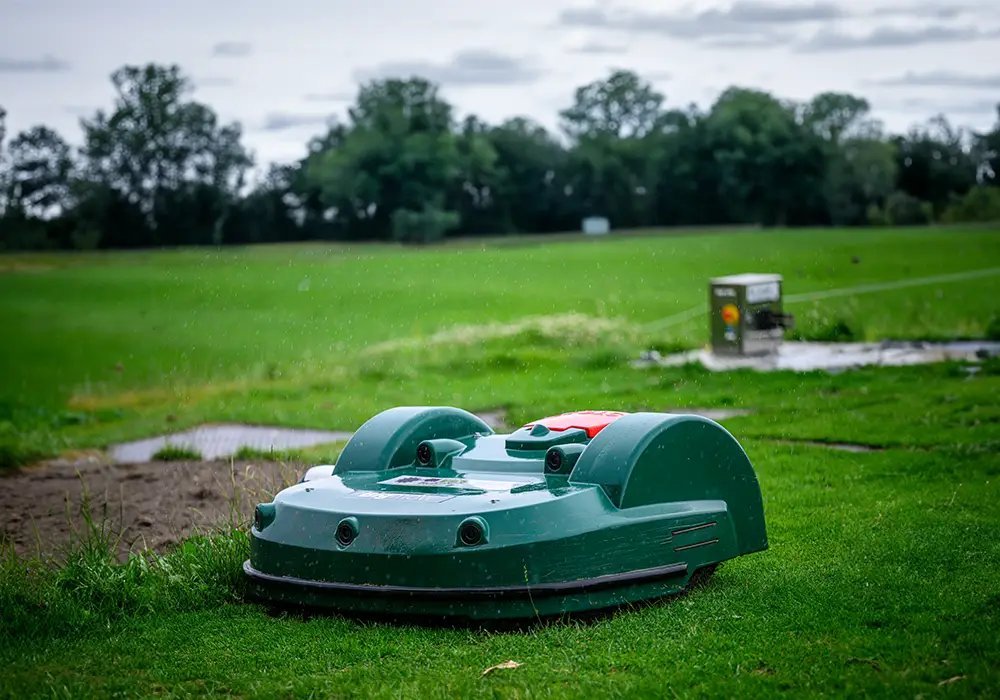
Robotic mowers have quietly become one of the most misunderstood tools in lawn care. If you’ve been searching for robotic lawn mower myths, you’ve probably heard that they cost a fortune, can’t handle real yards, or will slice through a pet’s paw. Most of what circulates online is out of date, exaggerated, or simply wrong. Here’s what actually holds up.
Key Takeaways
- Robotic mowers cost $700–$3,500 for most residential models, plus optional installation of $200–$1,500 if you don’t DIY the boundary wire.
- They cut little and often, so clippings disappear into the lawn as natural fertilizer — no bagging, no raking.
- Modern models handle slopes up to about 35% and yards up to 1–2 acres, depending on battery and deck size.
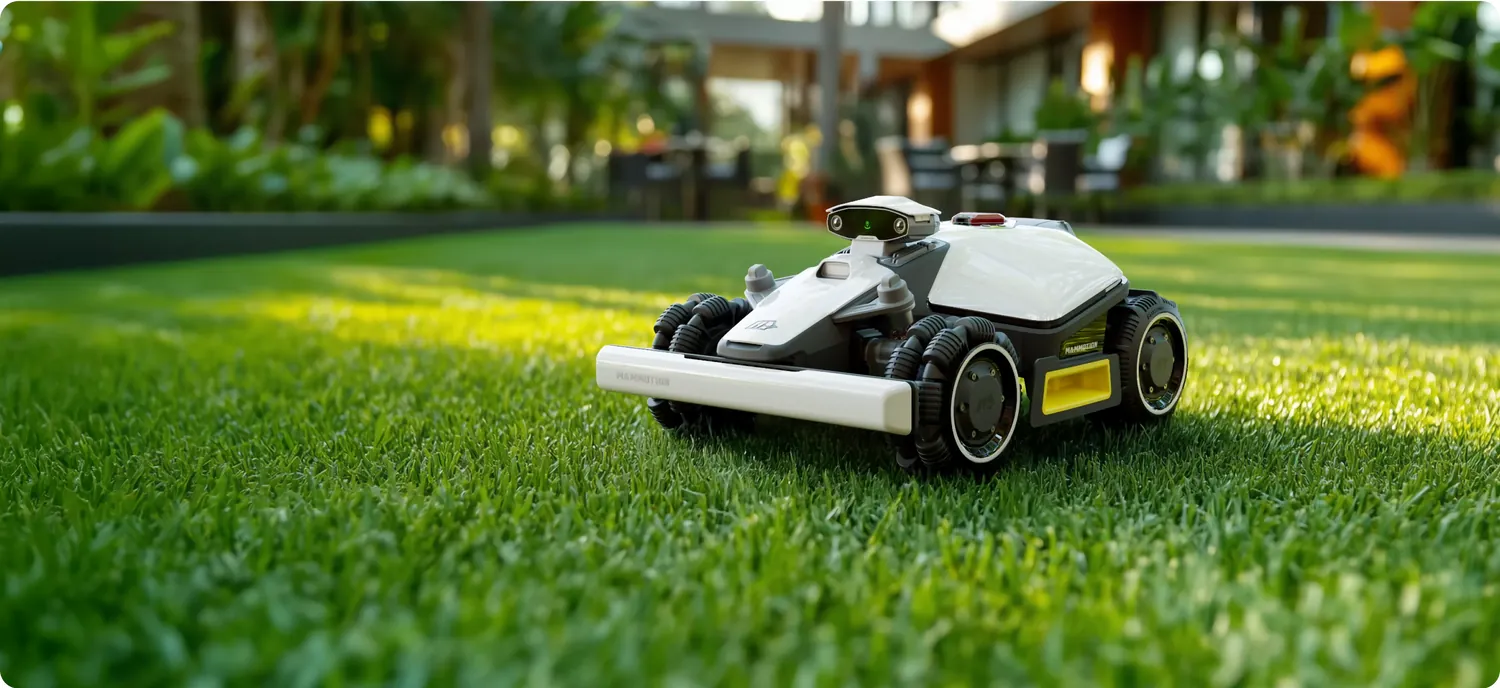
- GPS and camera-guided models now exist that need no boundary wire at all.
- Pets and kids are generally safe: the blades stop within a fraction of a second of the mower being lifted.
- Winter isn’t a problem — you store the unit indoors, and the battery lasts several seasons if stored at partial charge.
Myth 1: They Cost as Much as a Car
The biggest myth is price. Robotic mowers used to be luxury items, but entry-level models from brands like Worx, Segway, and Husqvarna now start around $700–$1,000. Mid-range units run $1,200–$2,000, and large-yard or wire-free flagships sit at $2,500–$3,500.
Compare that to a riding mower at $2,000–$4,000 plus gas, oil, belts, and your own weekend hours. Over five years, the robotic option often wins on total cost.
What Actually Drives the Price
- Yard size rating — bigger lawns need bigger batteries and more cutting time.
- Boundary system — wire-free GPS/camera models cost more but skip installation.
- Slope handling — steep-terrain models carry stronger motors and grippier wheels.
- App features — scheduling, zone control, and theft tracking add cost.
Myth 2: They Leave an Ugly, Striped Lawn
This one confuses robotic mowers with old-school reel mowers. A robotic mower cuts a tiny amount every day, so clippings are microscopic and decompose within days. The result is a dense, healthy lawn rather than a scalped one.
The trade-off is that you won’t get the sharp ballpark stripes a heavy roller mower produces. If that look matters, you’re shopping for a different machine.
Why Frequent Cutting Is Better
Grass responds to light trimming by growing thicker and shading out weeds. Removing more than one-third of the blade at once stresses the plant — which is exactly what a weekly push mower does. Daily micro-cuts avoid that shock entirely.
Myth 3: They Only Work on Tiny, Flat Lawns
Robotic mowers now cover up to 1–2 acres on the high end, with models like the Husqvarna Automower 450X and Segway Navimow rated for large properties. Slope capability has climbed too: many handle 25–35% grades, and a few reach 40%.
What they still struggle with is chaos — dense roots, deep ruts, and unmapped obstacles. A rough, overgrown yard needs prep work before any robot can navigate it.
Realistic Yard Requirements
| Yard Feature | Works Well | Needs Prep | Not Recommended |
|---|---|---|---|
| Flat lawn under ½ acre | Yes | — | — |
| Slope 25–35% | Yes | — | — |
| Slope over 40% | — | — | Usually no |
| Narrow passages under 2 ft | — | Widen or reroute | — |
| Heavy tree roots | — | Fill or flag | — |
| Multiple separated zones | Yes | Wire or GPS setup | — |
Myth 4: They’ll Injure Pets or Kids
This is the myth that scares people most. The reality: robotic mower blades are small, lightweight, and stop almost instantly when the unit is lifted or tilted. They don’t spin like a gas mower blade.
That said, supervision still matters. A resting hedgehog, a curious puppy, or a child’s toy left on the lawn can be damaged. Most manufacturers publish safety guidance, and the industry follows standards set by the International Electrotechnical Commission for consumer robot safety.
Practical Safety Habits
- Walk the lawn before the first run each week and remove toys, hoses, and pet waste.
- Schedule mowing for times when pets and kids are indoors.
- Set a PIN code so the mower can’t be started by a child.
- Check for wildlife if you live near hedgerows or have ground-nesting birds.
Myth 5: Installation Is a Nightmare
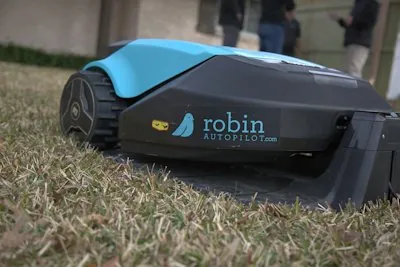
Older models required burying hundreds of feet of boundary wire. That’s still an option, but it’s no longer the only one. Wire-free models use GPS, cameras, or both to learn your lawn’s shape, and setup takes an afternoon rather than a weekend.
If you do go the wired route, you can often lay the wire on the surface and let the grass grow over it. No trenching required.
Installation Cost Comparison
| Method | DIY Cost | Pro Install | Time Needed |
|---|---|---|---|
| Surface-laid boundary wire | $50–$150 | $200–$600 | 2–4 hours |
| Buried boundary wire | $100–$250 | $500–$1,500 | 4–8 hours |
| Wire-free GPS/camera | $0 | $0–$300 | 1–2 hours |
| Charging station only | Included | $150–$400 | 1 hour |
Myth 6: The Battery Dies in a Year
Modern lithium-ion packs in robotic mowers typically last 3–5 seasons before capacity drops noticeably. A replacement battery runs $80–$250, depending on brand and capacity.
The real killer is bad storage. Leaving a battery fully drained or fully charged through winter shortens its life. Store it indoors at roughly 50% charge and it will reward you.
Battery Care Basics
- Charge to about half before winter storage.
- Store indoors above freezing.
- Recharge every few months during the off-season.
- Avoid full discharge cycles during normal use.
Myth 7: They Need Constant Maintenance
A robotic mower has fewer moving parts than a gas mower — no oil changes, no spark plugs, no air filters, no gas cans. Routine care is genuinely minimal.
What you do need to handle: blade replacement every 4–8 weeks during growing season, cleaning the underside monthly, and firmware updates through the app. That’s it.
Annual Maintenance Checklist
- Replace blades every 4–8 weeks in season.
- Clean the charging contacts monthly.
- Check wheel tread for wear each spring.
- Update firmware when prompted.
- Inspect boundary wire for nicks after storms.
Myth 8: They Can’t Handle Wet Grass or Rain
Most robotic mowers are built to run in light rain — that’s part of their appeal. Heavier downpours trigger a rain sensor that sends the unit back to its dock until conditions improve.
Wet grass does dull blades faster and can cause clumping if the lawn is overgrown. In normal conditions, though, a little moisture is fine.
Myth 9: They’re a Theft Magnet
Any outdoor power tool can be stolen, but robotic mowers have built-in deterrents: PIN codes, GPS tracking, and alarm systems that sound if the unit is lifted. Many insurers now cover them under standard homeowner policies.
The practical defense is simple: keep the mower in a visible area, enable the alarm, and register the serial number with the manufacturer.
Myth 10: You Still Have to Mow the Edges
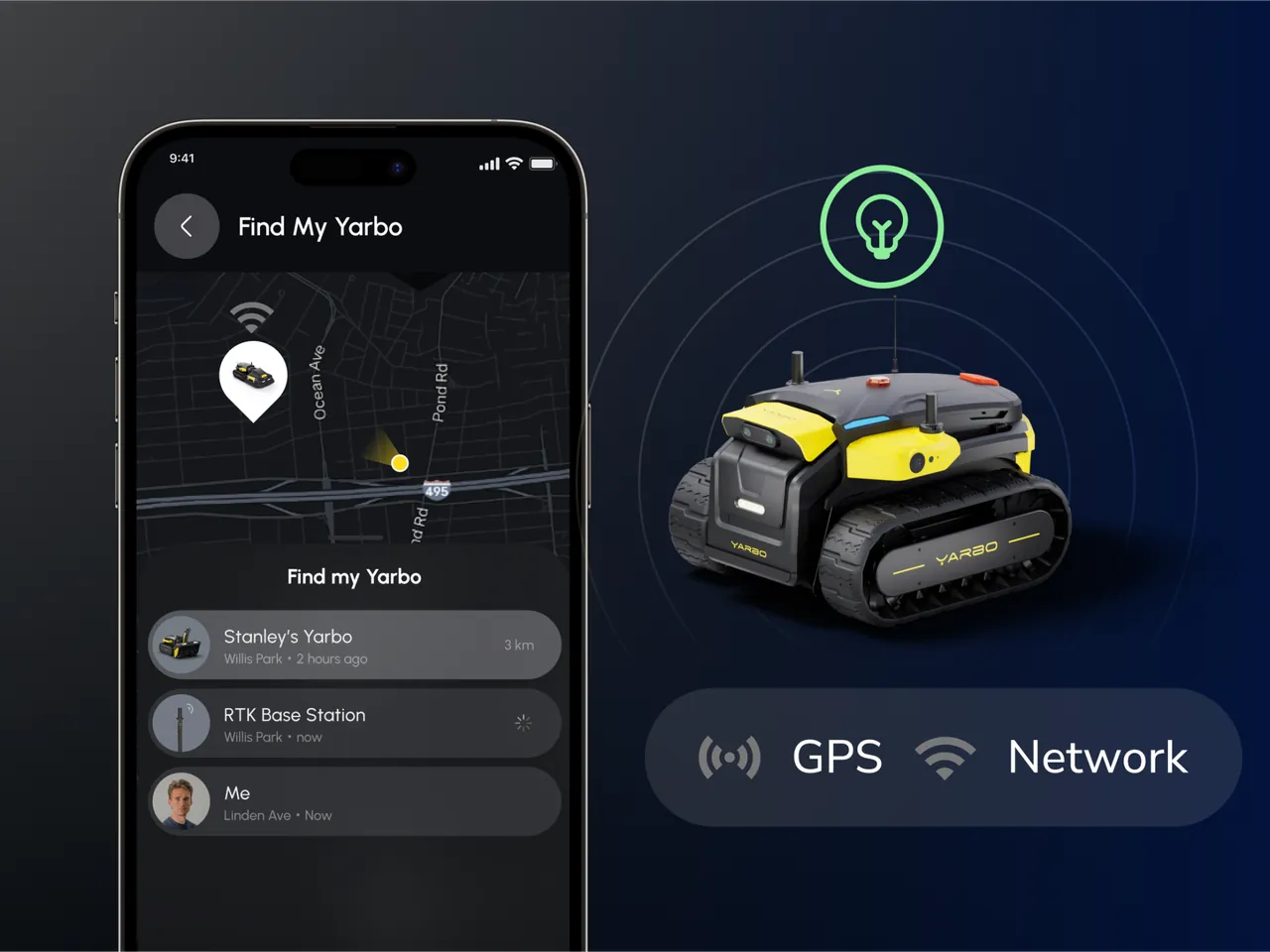
Partly true, partly not. Robotic mowers get close to borders, but trimming along fences, walls, and flower beds usually still needs a string trimmer. Some models offer an edge-cutting mode that reduces the work but doesn’t eliminate it.
Budget 10–20 minutes a week for trimming. That’s still a massive cut from a full mow.
Frequently Asked Questions
Do robotic mowers really save time?
Yes, but not in the way people expect. You trade 2–4 hours of weekly mowing for about 15–30 minutes of trimming, blade checks, and occasional app adjustments. The bigger win is that the lawn always looks freshly cut.
Can a robotic mower handle leaves in fall?
Light leaf cover is fine — the mower shreds them into the turf. Heavy drifts will clog the deck and stall the unit. Rake or blow the bulk first, then let the robot handle the rest.
What happens if it rains for a week?
The mower docks and waits. Most models resume automatically once the rain sensor dries. If grass gets long during a wet spell, run a manual mow at a higher cutting height first.
Are they worth it for a small yard?
Under about ¼ acre, the math gets tight. You’ll still save time, but a good push mower or a cordless trimmer may cover the same ground for less money. Above ⅓ acre, the convenience usually justifies the cost.
Do they work on slopes near a road?
Only if the slope is under the model’s rating and the mower has a boundary wire or GPS geofence keeping it away from traffic. Never rely on slope handling alone near a road or drop-off.
How long do robotic mowers last?
With normal care, expect 7–10 years of service. The battery is the first wear item, followed by blades and wheels. Electronics tend to outlast the mechanical parts.
What to Do Before You Buy
Measure your lawn, note your steepest slope, and count how many separate zones you have. Then match those numbers to a model’s rated capacity — and ignore the marketing claims that promise more. A machine rated slightly above your yard size will run less and last longer.
If you’re still on the fence, start by borrowing or renting one for a month. Living with the schedule, the docking routine, and the trimming reality tells you more than any spec sheet ever will.

Daniel Carter is a home improvement specialist and tool researcher with years of experience studying power tools, hand tools, workshop equipment, outdoor gear, and DIY projects. At HomeToolWorld, he researches products, compares features, reviews manufacturer specifications, and creates practical buying guides to help homeowners, DIY enthusiasts, and professionals make informed decisions. His goal is to provide accurate, easy-to-understand, and trustworthy content based on careful research and real-world applications.