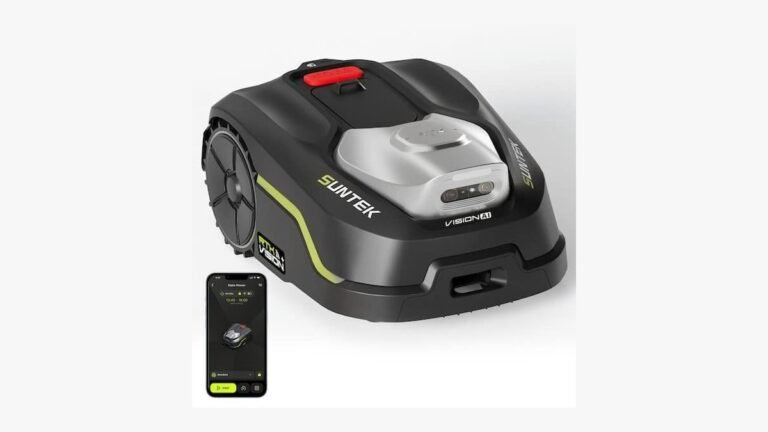
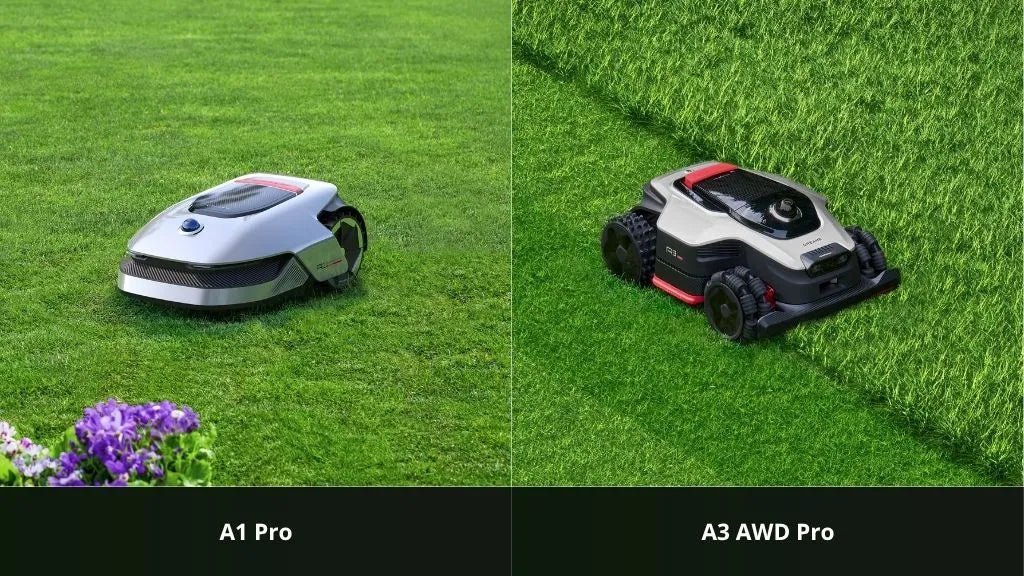
Robotic Lawn Mower for Disabled Users: What Works
Yes — a robotic lawn mower can work well for many disabled users, and it often removes mowing from your week completely. The answer flips if your lawn is steep, tiny, or split into narrow strips. Check your lawn’s slope and shape today, then pick a model rated for both.
When a robotic mower suits disabled users

A robot mower suits you when your lawn is one open area with gentle ground and a power socket nearby. It struggles when the lawn is cut into pieces or the ground is steep.
| Your situation | Answer | Why |
|---|---|---|
| Flat lawn, one open area | Yes | Robot handles it alone |
| Lawn split by paths or fences | Usually not | Needs carrying between zones |
| You can’t bend or kneel | Yes, with help | One-time install, then hands-off |
| No outdoor power socket | Not yet | Charging needs power outside |
Every maker prints its own maximum slope in the manual, and that number is the one that counts for you.
What decides whether it works
Slope decides it more than any other single thing. A robot mower drives on small wheels and cuts as it goes, so it needs grip. On gentle ground it grips well and runs for years. On steep ground the wheels spin, the mower slides, and it leaves uncut patches.
The second decider is lawn shape. A robot follows a boundary wire or a mapped edge, so one connected area is easy. A lawn broken into three pieces means you must lift the mower between them — and if lifting is hard for you, that kills the whole benefit.
Grass type matters less than people think, but wet grass stops most robots.
Battery size sets how much lawn one charge covers. A small model may need a mid-cut recharge on a large lawn. That’s normal, not a fault.
If your lawn is one area and mostly flat, a robot will likely work; if it’s steep or chopped into zones, plan for help or skip it.
Setting it up so it actually helps
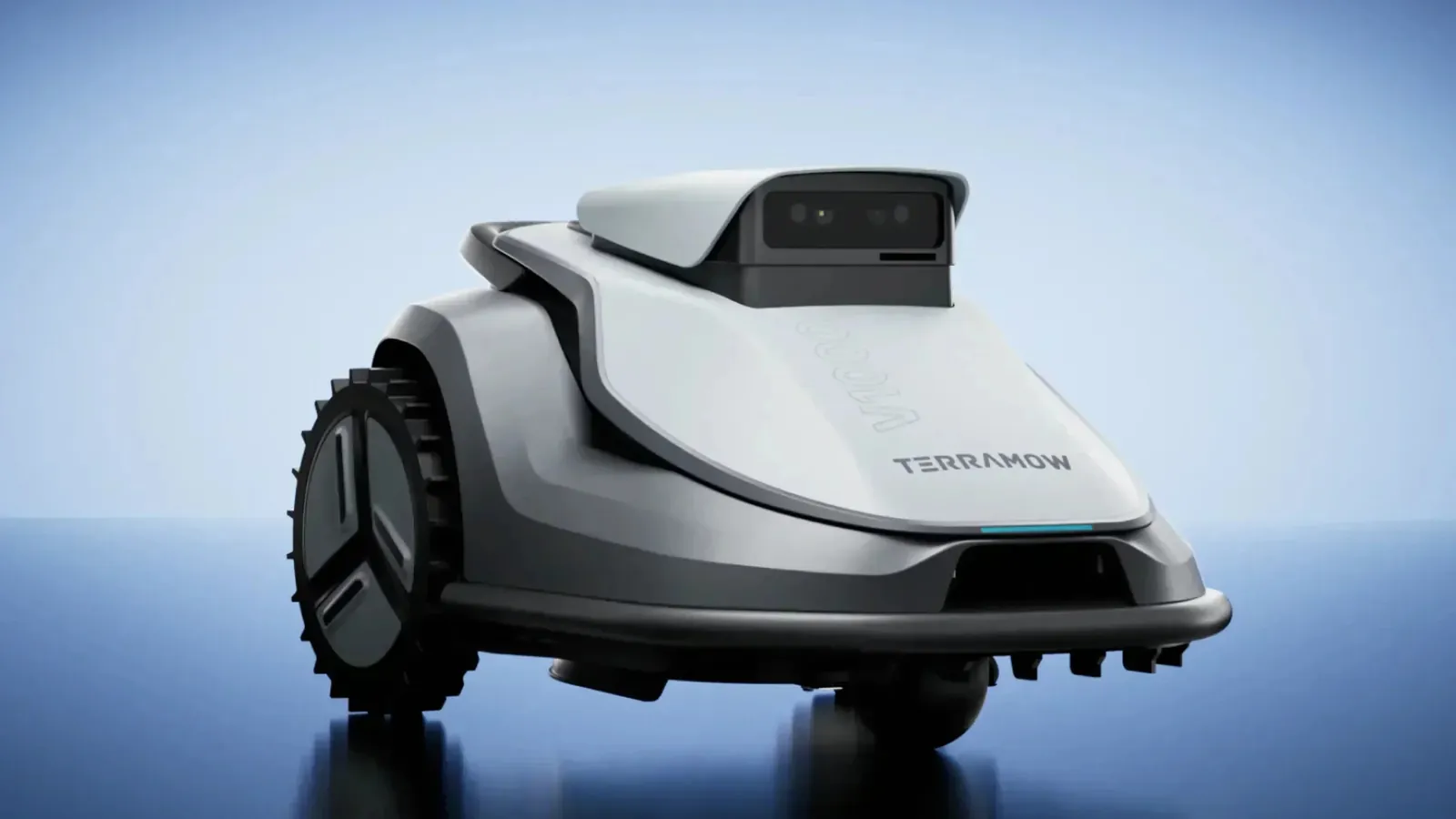
- Measure your lawn and slope first. Walk the lawn with a phone level app, or check the slope on the maker’s own site. Write down the total square footage and the steepest spot. You’ll know within minutes if a model fits.
- Get the boundary wire laid by someone else. A dealer or a gardener can bury or pin the wire in an afternoon. The sign it worked: the mower stays inside the edge and never crosses the flowerbed.
- Mount the charging dock on flat ground near a socket. Pick a spot within reach of an outdoor outlet and on level ground. The sign it worked: the mower docks by itself every time.
- Set the schedule once, then leave it. The sign it worked: you stop thinking about mowing at all.
- Add a remote or app control if hands are weak. Voice control through a smart speaker, or the maker’s app, saves you bending to press buttons. The sign it worked: you can start it without leaving your chair.
If you can’t do step 2 yourself, that’s the one job worth paying for. Everything after it’s hands-off.
The mistake that wastes the most money
Buying on lawn size alone is the common error. People match the square footage on the box to their lawn, then find the mower can’t climb the one steep bank at the back.
The cost is real: the mower either gets stuck daily or you return it, and returns on used outdoor equipment are often limited or refused. You lose the money and the time.
The fix is one check before you buy. Find the maximum slope figure in the maker’s manual or on its product page, then compare it to your steepest spot. If your slope is higher, pick a different model — or keep the bank for a gardener and let the robot do the flat part.
When a robot mower isn’t the answer
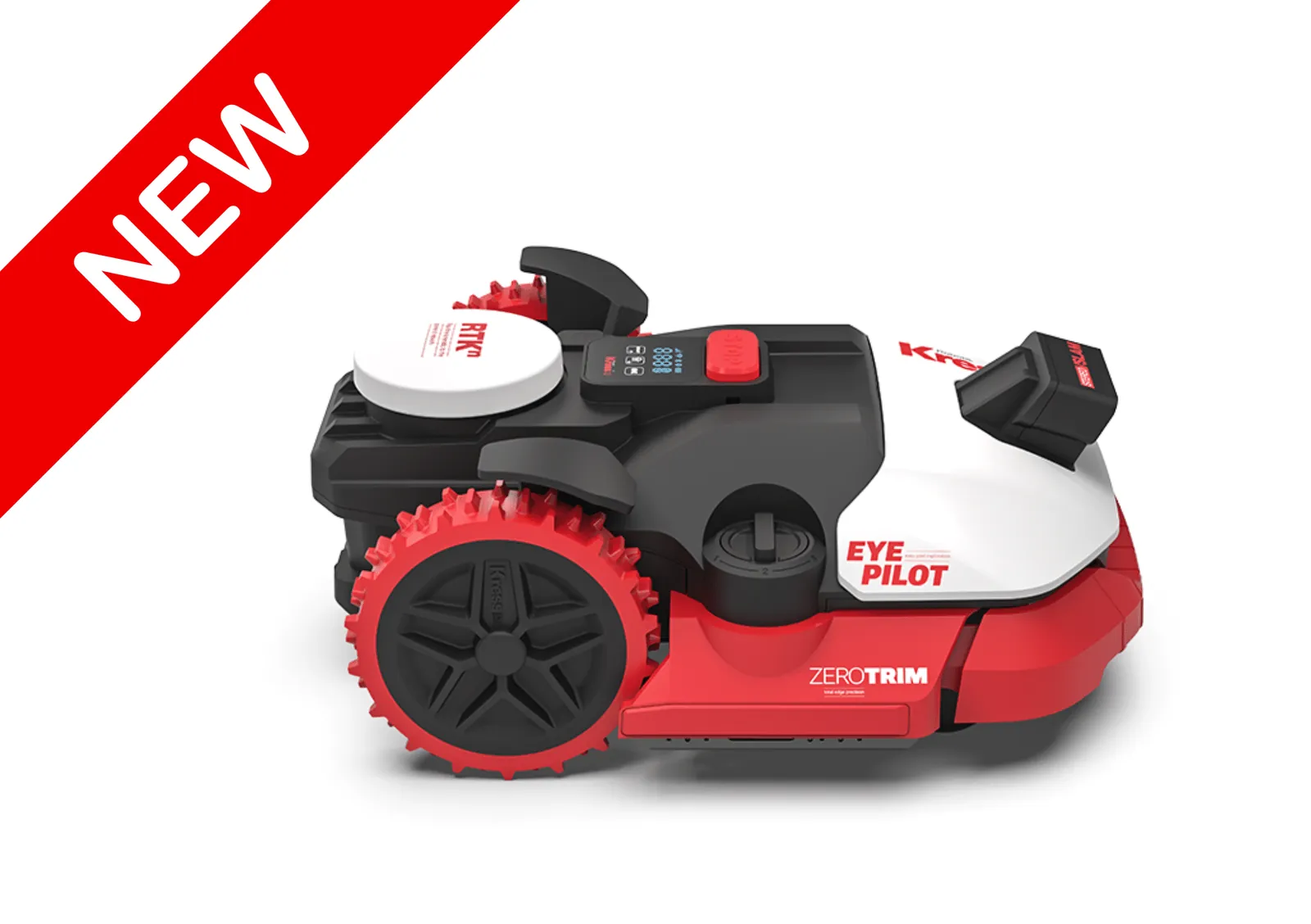
- Your lawn is steeper than the model’s limit. No robot will hold that slope safely, and a sliding mower can run into people or property. A lawn service handles it.
- You need the edges cut perfectly. Most robots leave a small strip at walls and beds that needs a trimmer. If that matters, keep a gardener for edges.
- You have no way to charge it outside. Running a cable across a path is a trip hazard. An electrician should install an outdoor socket properly.
- Your lawn is tiny or mostly paved. The setup cost and wiring aren’t worth it. A family member with a push mower finishes it faster.
For anyone who can’t safely operate a mower at all, a local gardening service is the safer route. The U.S. Consumer Product Safety Commission tracks lawn mower injuries each year, and most happen to people using the machine, not standing near it.
Frequently asked questions
Can a disabled person use a robotic lawn mower?
Yes, for many people it works well. Once it’s installed, you start it from an app or a button and it cuts alone. The main limits are slope, lawn shape, and whether you can get the boundary wire installed. If you can’t install it yourself, pay a dealer to do that one job.
Why does my robot mower get stuck on slopes?
It gets stuck because the wheels lose grip, not because the mower is broken. Most models handle gentle slopes but slip past their rated maximum, which the maker prints in the manual. Check that figure against your steepest spot. If your slope is higher, that model is wrong for your lawn.
How long does it take to set up a robot mower?
Most of that time is laying the boundary wire. A dealer can do it in one visit. After setup, daily running needs no work from you at all.
Is it safe to leave a robot mower running?
Yes, if you follow the maker’s rules. Keep children and pets away while it runs, and don’t let anyone ride it. Check your manual for the exact safety features on your model.
What happens if the robot mower hits something?
It stops or turns around. Most models sense resistance and reverse, then continue on a new path. Hard objects like stones can damage the blades over time, so clear the lawn of sticks and rocks before the first run. Blades are cheap and easy to replace.
Does a robot mower cut wet grass?
No, most don’t cut wet grass well. Wet grass clumps and clogs the deck, and the mower may stop from the extra load. Run it in dry conditions, ideally in the afternoon. If your lawn stays damp, set the schedule for the driest part of the day.
How much does a robotic mower cost to run?
Running costs are low — mostly electricity. Exact figures vary by model, lawn size, and your local power rate, so check the maker’s power rating and your own bill. There’s no fuel, no oil, and blades cost little to replace. Compare that to a weekly lawn service in your area.
Does it matter which robot mower I pick?
Yes, the model matters more than the brand. Slope rating, lawn size limit, and app or voice control are the three specs that decide if it works for you. Write those three numbers down, then compare models. A cheap mower that fits your lawn beats an expensive one that doesn’t.
Conclusion
Start by measuring your lawn’s size and steepest slope, then match those two numbers to a model’s specs. Expect the mower to run on its own within a week of setup, and the sign it’s working is simple: you stop thinking about mowing. If the mower keeps getting stuck, or no model fits your slope, that’s the point to call a dealer or a lawn service instead.
Daniel Carter is a home improvement specialist and tool researcher with years of experience studying power tools, hand tools, workshop equipment, outdoor gear, and DIY projects. At HomeToolWorld, he researches products, compares features, reviews manufacturer specifications, and creates practical buying guides to help homeowners, DIY enthusiasts, and professionals make informed decisions. His goal is to provide accurate, easy-to-understand, and trustworthy content based on careful research and real-world applications.