
How Much Does a Robotic Lawn Mower Cost?
A basic robotic mower starts around $600, and most homeowners pay $1,000 to $2,500 for one that handles a normal suburban yard. Small, bump-and-go models sit at the low end. GPS-guided mowers for lawns over half an acre push past $3,000, and top brands can reach $5,000 or more.
The size and shape of your lawn decides the price far more than the brand name does. A mower rated for a quarter acre will struggle on half an acre — it’ll run all day, miss patches, and wear out faster. Measure your lawn before you shop, not after.
The most common mistake is buying on price alone. A cheap mower without boundary wire or GPS needs more babysitting, and replacement batteries cost real money later. Check the manufacturer’s rated lawn size, then buy one step above it. That’s the number that matters.
Setting up your robotic mower, step by step
-
Measure your lawn area in square feet. Walk the yard or check your property survey. Most mowers list a maximum square footage, so match that number to your real lawn, not your whole lot. A 0.25-acre lawn is about 10,900 square feet.
-
Check your lawn’s obstacles and slopes. Note trees, flower beds, and steep spots. Most robotic mowers handle slopes up to about 25 degrees, but a few cheaper models top out near 15. If your yard has a steep bank, look for a model rated for it.
-
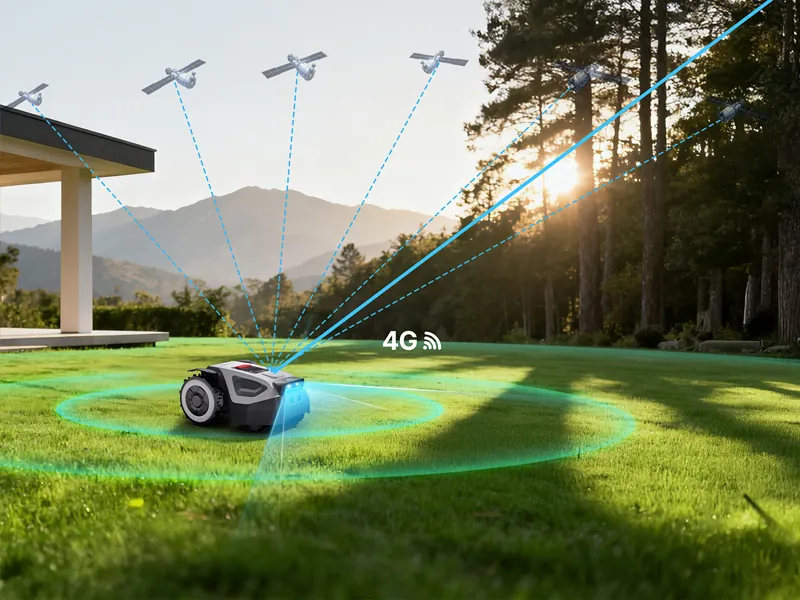
Decide between boundary wire and GPS. Wire kits cost less upfront and work in almost any yard, but you’ll bury or stake 100 to 300 feet of cable. GPS models cost more but need no wire — they work best on open lawns with a clear sky view.
-
Install the charging station near an outdoor outlet. Place it on level ground with about 3 feet of clear space on each side. The mower returns here on its own when the battery drops, so a shaded spot protects the dock and the mower.
-
Lay the boundary wire or map the zone. Keep wire at least 12 inches from walls and pools. Bury it 1 to 2 inches deep, or stake it down if you don’t want to cut the grass. Allow one full day for a typical quarter-acre yard.
-
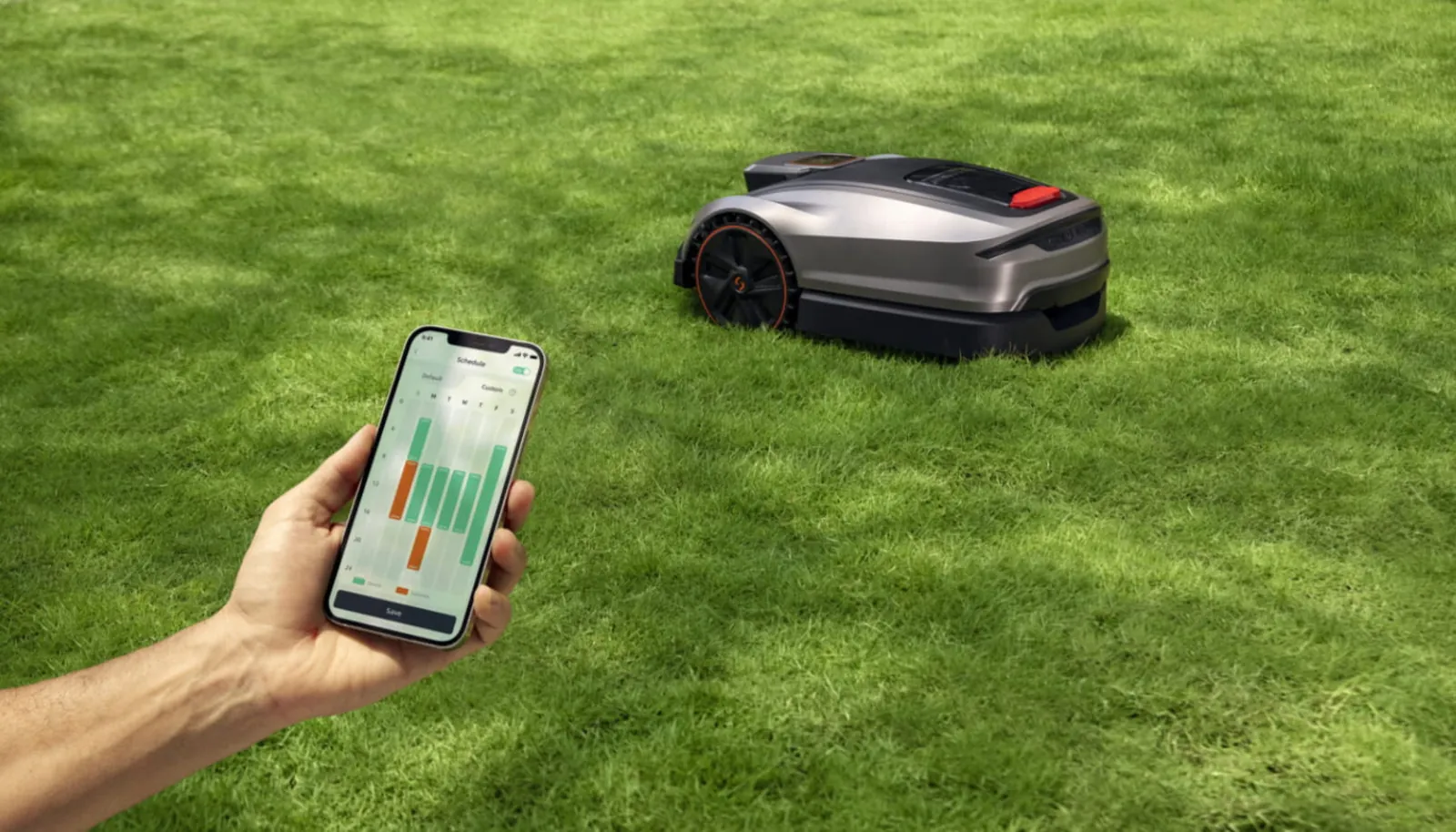
Run the first full mow and watch it. Let the mower work a complete cycle, usually 1 to 3 hours. Check for missed strips, stuck spots, and wire breaks. Adjust the wire or the app settings before you trust it alone.
Tip: Don’t set the cutting height too low on the first run. Start at the middle setting, then lower it by one notch each week so you never shock the grass.
Tip: If your lawn has a slope over 25 degrees, or you want the mower to cross a public sidewalk, stop and check local rules first — some areas restrict where these machines can travel.
How long a robotic mower takes to pay off
The mower itself takes 1 to 3 hours to charge and mow in a typical cycle. The bigger question is how long it takes to earn back what you paid. That depends on your lawn size and what you’d otherwise spend on mowing.
| Situation | How long | What changes it | What to watch for |
|---|---|---|---|
| Quarter-acre lawn, wired model | 2–4 years to pay off | Your current mowing cost | Battery replacement around year 3–5 |
| Half-acre lawn, GPS model | 3–5 years | Higher upfront price | More charging cycles per day |
| Small yard under 0.1 acre | 5+ years, or never | Cheap push mower wins | Mower may be overkill |
| Large lawn over 1 acre | 4–6 years | Two mowers or a big model | One mower may not finish in a day |
| Hiring a service instead | 1–2 years | Service cost per visit | You still do edge trimming |
If it’s taking far longer than the table suggests, check your battery health and whether the mower is rated for your actual lawn size — an undersized model never catches up.
Signs your robotic mower is working right
You’ll know it’s done when the lawn looks even, with no tall strips left behind and no clumps of cut grass. The mower should return to its dock on its own before the battery dies, and the app should show a full cycle completed.
Listen for a steady hum, not a straining whine. A mower that stops every few feet is hitting something or losing its signal. Check the blades monthly — dull blades tear grass instead of cutting it, and torn tips turn brown.
When the signs disagree, one test settles it: mow a small test patch by hand next to the robot’s work. If your hand-cut grass looks cleaner, the robot’s blades are dull or its height is set wrong.
Mistakes that cost you money

- Buying for the smallest lawn rating. A mower rated for exactly your lawn size runs near its limit every day. Buy one step up, or it’ll miss patches and wear out early.
- Skipping the boundary wire setup. Rushing the wire means the mower cuts into flower beds or escapes the yard. Take the extra hour to stake it properly.
- Ignoring slope limits. A mower on too steep a hill slips, spins, and leaves ruts. Check the degree rating before you buy, not after.
- Forgetting battery costs. Replacement batteries run a few hundred dollars and last about 3 to 5 years. Budget for that, or the “cheap” mower isn’t cheap.
- Leaving it out in heavy rain. Most models are weather-resistant, not waterproof. A flooded dock or mower means a repair bill.
Frequently asked questions
How much does a robotic lawn mower cost for a half-acre yard?
Expect $1,500 to $3,000 for a model rated for half an acre. GPS-guided mowers sit at the top of that range because they need no boundary wire. A wired model at the lower end works fine if your lawn is open and mostly flat. Always check the rated square footage before buying.
Can I install a robotic mower myself?
Yes, for most wired and GPS models. You’ll spend 3 to 6 hours laying wire or mapping zones on a quarter-acre lawn. You don’t need special tools — just a spade, stakes, and patience. If your yard has complex landscaping or steep slopes, a professional installer is worth the cost.
How long do robotic mower batteries last?
Most last 3 to 5 years, depending on how often the mower runs and how you store it in winter. Cold storage below freezing shortens life, so bring the battery indoors for the off-season. Replacement batteries cost a few hundred dollars, so factor that into your total ownership cost.
Is it safe to leave a robotic mower running while I’m not home?
Yes, if it’s set up correctly. These mowers have lift and tilt sensors that stop the blades when lifted, and PIN codes stop strangers from using them. Keep children and pets away from a running mower, and check the manufacturer’s safety guide for your model’s specific features.
What happens if my robotic mower hits a rock or a toy?
Most models stop or reverse when they hit an obstacle, then try a new path. Small toys and rocks can still damage the blades or get thrown. Walk your lawn once before the first run and pick up debris. Check the blades after any hard hit.
Why is my robotic mower not covering the whole lawn?
The usual cause is a lawn bigger than the mower’s rating, or a boundary wire that’s too close to an obstacle. Check the rated square footage against your real lawn first. If the rating matches, look for wire breaks or tight corners that block the mower’s path.
How often should I run a robotic mower?
Most owners run theirs daily or every other day during growing season. Short, frequent cuts keep the grass healthy and the clippings fine enough to break down on their own. In slow-growth months, drop to two or three times a week. Check your model’s recommended schedule in the app.
Conclusion
A robotic mower pays for itself slowly, so the price you pay upfront matters less than the size rating you choose. Measure your lawn, buy one step above what you need, and budget for a battery in a few years. Do that, and the machine quietly handles the job while you do something else.

Daniel Carter is a home improvement specialist and tool researcher with years of experience studying power tools, hand tools, workshop equipment, outdoor gear, and DIY projects. At HomeToolWorld, he researches products, compares features, reviews manufacturer specifications, and creates practical buying guides to help homeowners, DIY enthusiasts, and professionals make informed decisions. His goal is to provide accurate, easy-to-understand, and trustworthy content based on careful research and real-world applications.