Are Robotic Lawn Mowers Worth It? The Honest Answer
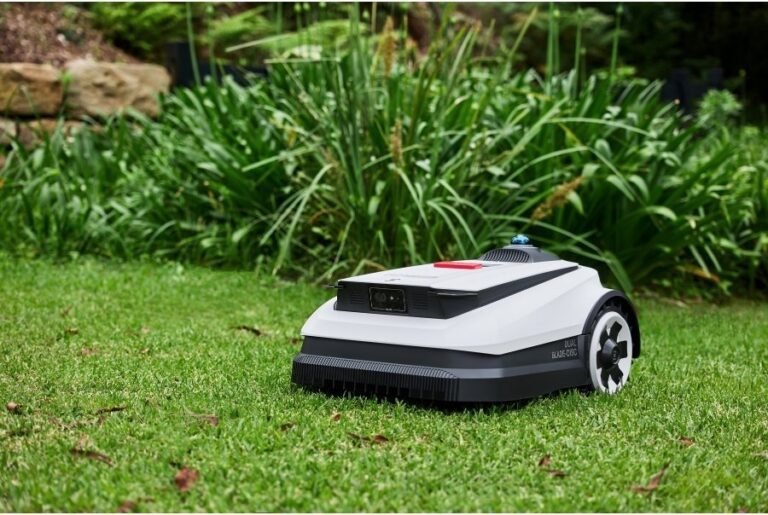
For most yards that are flat, open, and under about half an acre, yes — a robotic mower pays back in time saved and a lawn that always looks cut. The catch is your lawn’s shape and your budget. If your lawn has steep slopes, tight corners, or lots of obstacles, a robot struggles and a push mower wins.
The short answer on whether robot mowers are worth it
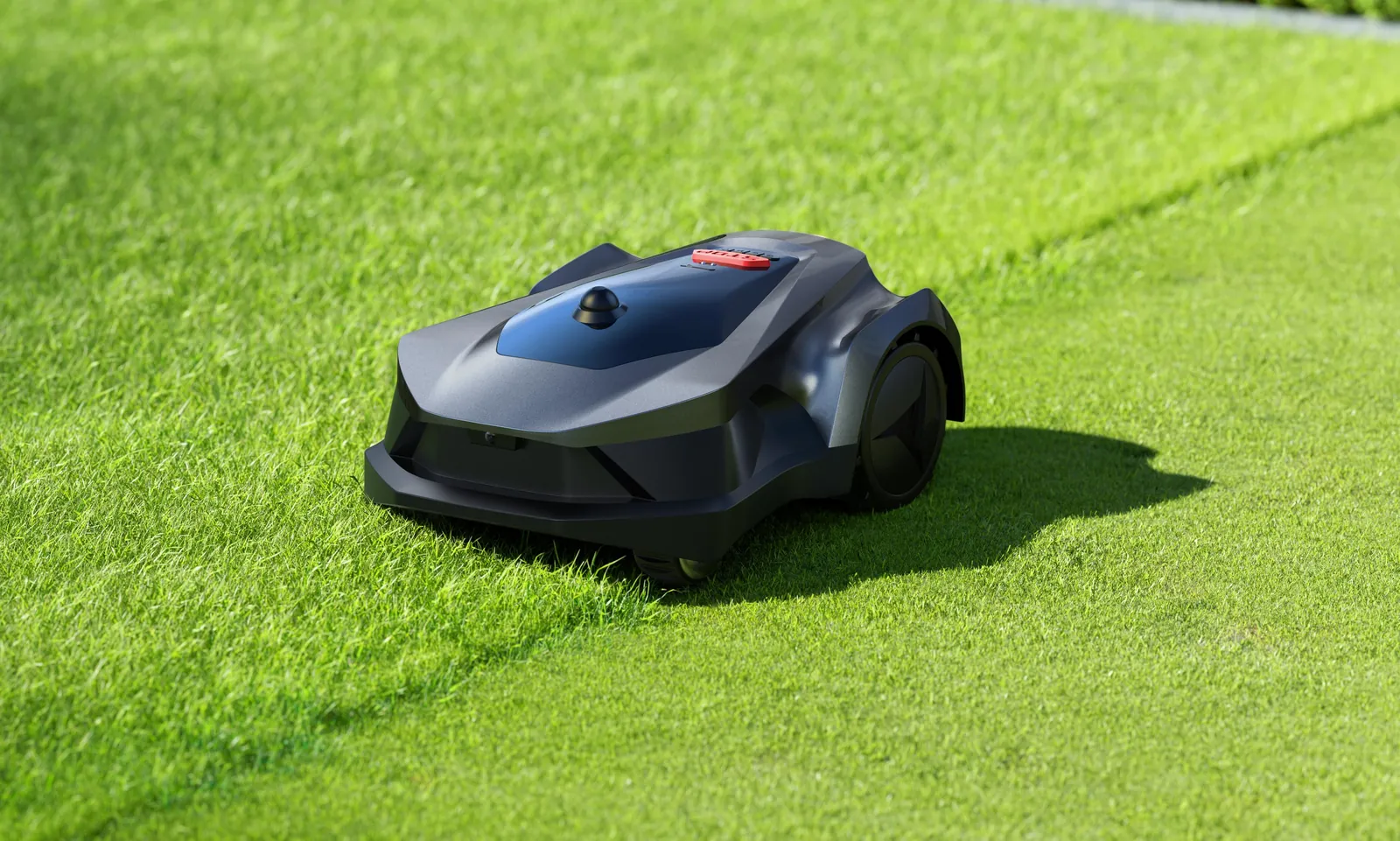
- A robot mower cuts a little every day instead of a lot once a week, so clippings stay tiny and feed the soil — no bagging, no raking.
- It suits lawns up to roughly half an acre. Bigger lawns need a model rated for the area, or the robot never finishes a full cycle.
- Boundary wire models cost less but take a weekend to install. Wire-free GPS models skip the digging but cost more.
- You still do maintenance: sharpen or replace the blades every 2-3 months in growing season, and clear the charging dock of grass.
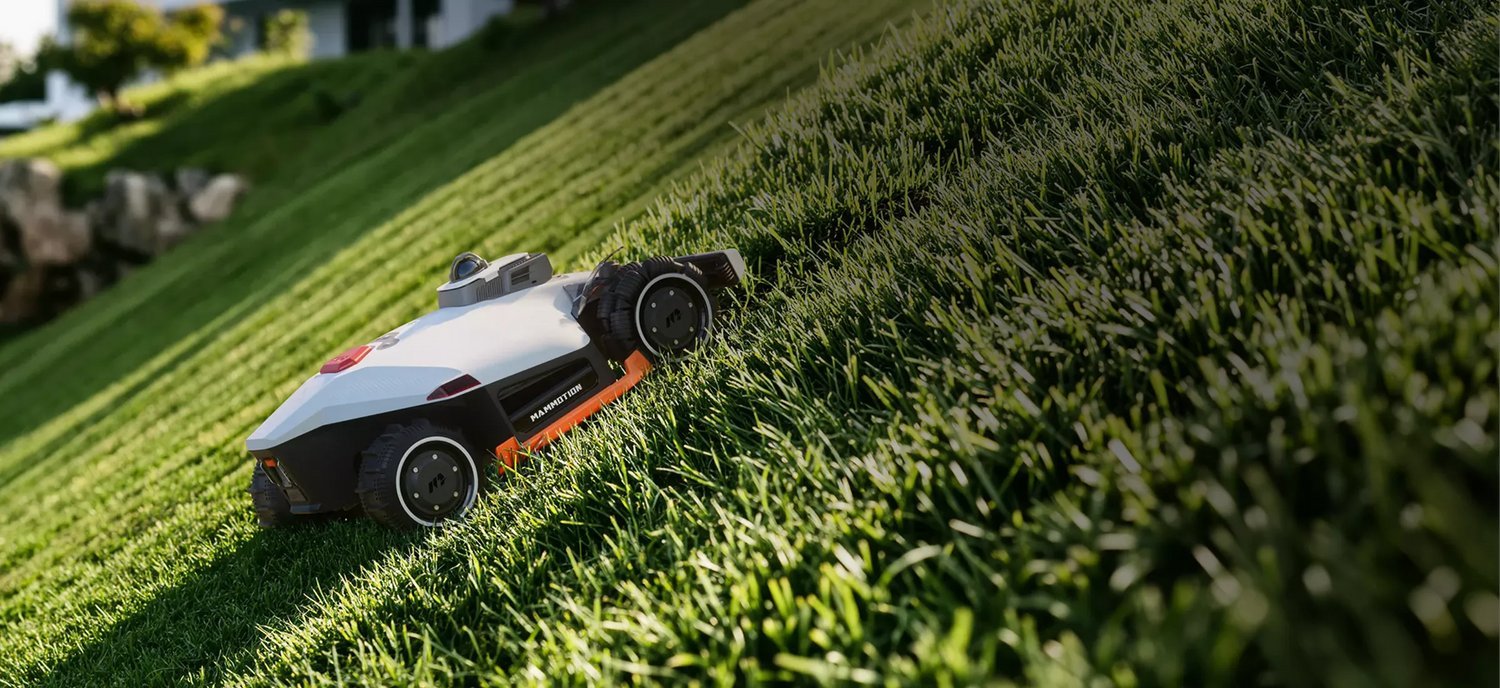
- Steep slopes are the deal-breaker. Most models handle up to about 25-35% grade — check your model’s spec sheet, not the sales page.
- It won’t mow everything. Edges, flower beds, and narrow strips still need a trimmer and a few minutes by hand.
Why robot mowers change the math
A robot mower works on a different principle from the mower in your shed. It doesn’t cut tall grass down to size. It shaves a tiny amount off the top, almost every day, so the blades only ever meet the newest growth.
That single change is why the lawn looks better. Grass that loses a few millimeters at a time stays green and stress-free. Grass that loses a third of its height in one hot afternoon goes yellow and stops growing for a while. This is why the “little and often” method is the standard advice in turf care.
The clippings matter too. When they’re that short, they fall between the blades and break down in the soil, returning nitrogen. You stop bagging, you stop raking, and you stop driving to the dump with green waste.
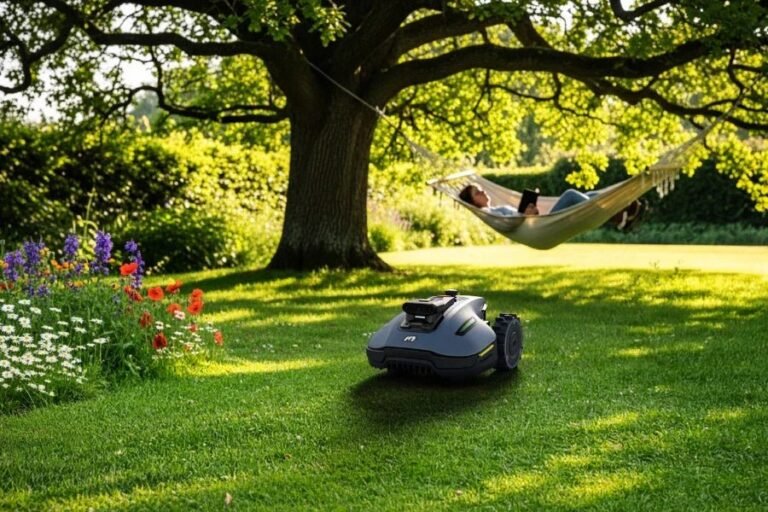
The time saving is the real product. A robot runs on its own schedule, in the rain or while you’re at work. You’re not trading two hours every Saturday — you’re trading ten minutes a month for blade checks and dock cleaning.
One thing to understand before you buy: the robot doesn’t know your lawn. It follows a boundary wire or a GPS map you set up. Get that boundary wrong and it will miss strips, or wander into your flower bed. The setup is the job. The mowing is automatic after that.
When a robot mower isn’t the right fit
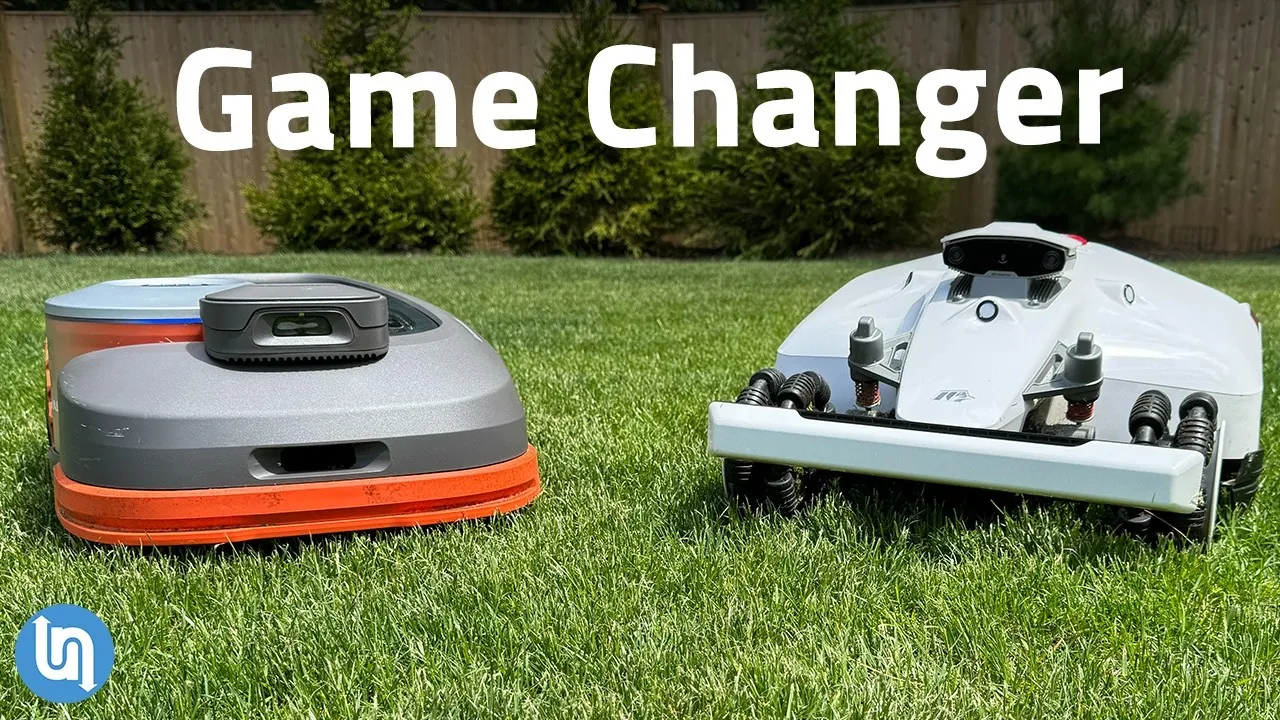
A robot mower is a poor buy if your lawn is small, simple, and you don’t mind cutting it. The lead sentence here is the whole point: this is a convenience purchase, not a money-saving one. The table below covers the cases where the simple answer flips.
| Situation | What changes | What to do instead |
|---|---|---|
| Lawn under 1,000 sq ft | Payback never arrives | Keep a push mower |
| Steep slope over the model’s rated grade | Robot slips or stalls | Use a hover mower |
| Lawn split by a path | Robot can’t cross alone | Buy two, or skip it |
| Heavy leaf fall in fall | Blades clog and jam | Rake first, then mow |
| Rental home, short stay | Setup cost is wasted | Wait until you own |
| Very rough, bumpy ground | Robot gets stuck often | Level the lawn first |
The slope row is the one people get wrong most. A robot’s grip depends on its wheels and the grass being dry. Wet grass on a slope is where they fail, and no spec sheet fixes that.
Setting up a robot mower so it works
- Measure your lawn’s area in square feet and write it down.
- Map the boundary before you bury any wire. Walk the edge and note every tree, bed, and step.
- Press it into the turf with a flat spade if you want it hidden. The check: run your hand along it — no loops sticking up to catch the blades.
- A dock on a slope makes the robot miss its parking spot and drain the battery trying.
- Run a test cycle with the robot watching. Stay outside the boundary and note where it misses. Adjust the wire there and run a second cycle — two passes usually find every gap.
- Set the schedule to cut most days in peak growing season, and less in dry spells. Cutting daily in a drought stresses the grass, so drop to every second or third day when growth slows.
- Check the blades every 2-3 months in the growing season. Dull blades tear grass instead of cutting it, and torn tips turn brown. Replace the blade set when you see ragged edges, not a clean cut.
- Clean the dock and the robot’s underside once a month. Grass buildup on the charging contacts can stop it charging.
Mistakes that shorten a robot mower’s life
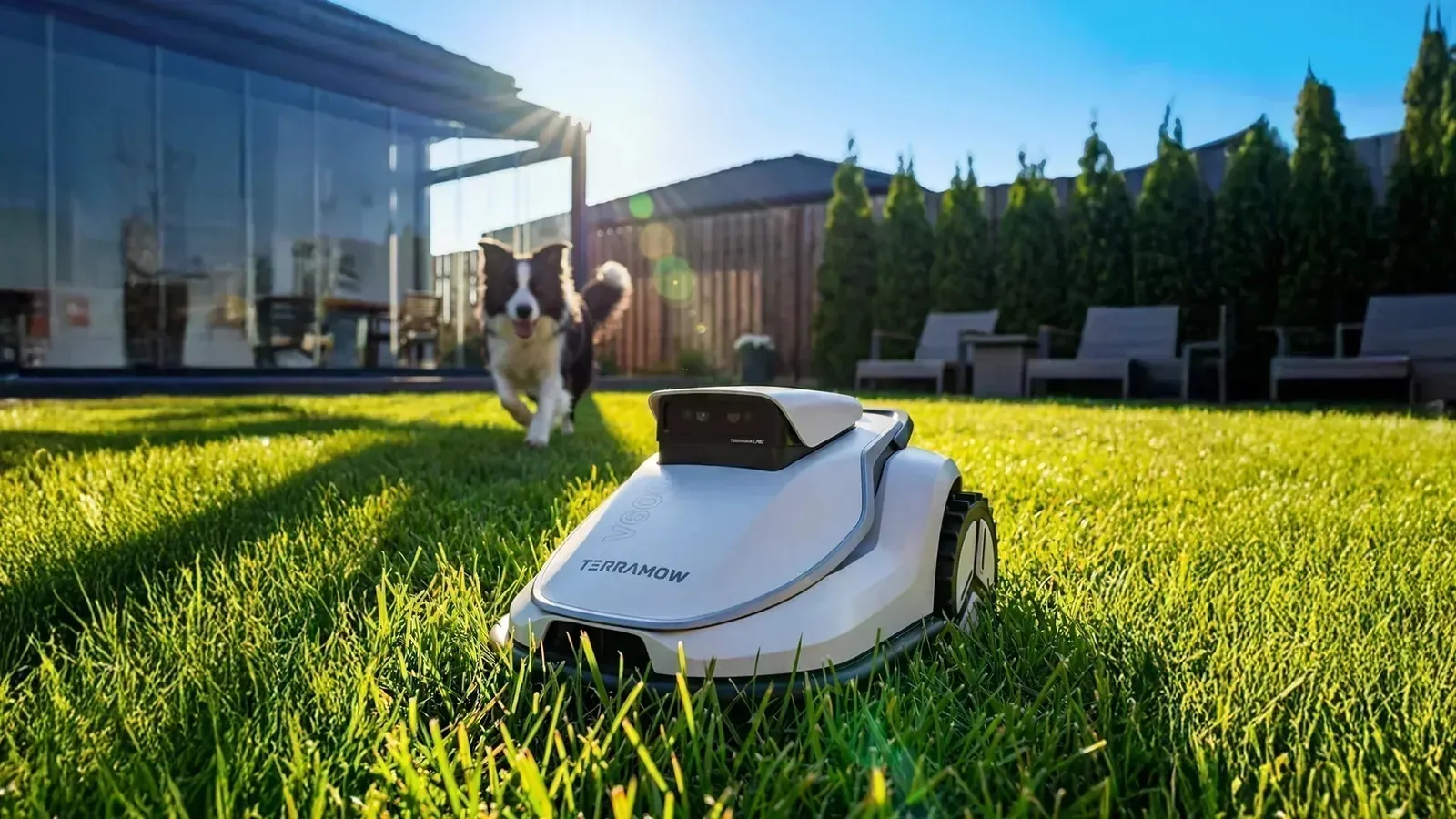
- Cutting too low from day one. Dropping the deck to the shortest setting shocks the grass and leaves brown patches. Raise it a notch and lower it slowly over a few weeks.
- Leaving the boundary wire loose. Wire that sits on top of the grass gets sliced by the blades, and you’ll be splicing it within a month. Peg it down properly.
- Ignoring the rain sensor. Running in heavy rain on a slope is how robots slide into beds and ponds. Let the sensor do its job, or set a rain delay.
- Never cleaning the charging contacts. Dirty contacts mean the robot parks but doesn’t charge. It then sits dead, and you think the battery has failed when it hasn’t.
- Buying for the biggest lawn the box claims. Rated area assumes a perfect, open lawn. Real lawns with trees and beds need a model one size up.
Frequently asked questions
Are robotic lawn mowers worth it for a small yard?
Usually no. Under about 1,000 square feet, a push mower takes 15-20 minutes and costs far less. A robot’s value comes from replacing a long weekly job, and a small lawn doesn’t have one. Spend the money on a better push mower instead.
How long do robotic lawn mowers last?
Battery life depends on charge cycles and how hard the robot works. Check your model’s manual for the expected battery cycles, and price a replacement battery before you buy.
Do robot mowers need wifi?
No. Boundary wire models work with no connection at all. Wifi or GPS models use it for app control, mapping, and software updates, but the mowing itself doesn’t need a signal. If your yard has weak wifi, a wire model is the safer buy.
Is it safe to leave a robot mower out in the rain?
Yes, most are built to handle rain, and many have a rain sensor that sends them back to the dock. The limits are flooding and standing water — never let the dock sit in a puddle. Check your model’s manual for its water rating before you trust it.
What happens if a robot mower hits a toy or a pet?
Most models stop the blades when they lift or bump, then reverse away. Small toys and pet waste still cause problems — the robot spreads mess or jams. Walk the lawn once before you start it, and keep pets out of the zone while it runs.
Can a robot mower handle a slope?
It depends on the grade. Many models handle up to about 25-35% grade, but grip drops on wet grass. Measure your slope’s rise over run, and stay well under your model’s stated limit. If your slope is steeper, a hover mower is the safer choice.
How often do you sharpen robot mower blades?
In peak growing season, check them every 2-3 months and replace the blade set when the cut looks ragged. Robot blades are small and cheap, so most owners replace rather than sharpen. Dull blades tear the grass and leave brown tips.
Does a robot mower save money?
Rarely in direct cash. It saves time, and it may cut your lawn’s water and fertilizer needs slightly because short clippings feed the soil. The payback is hours back each month, not dollars. Treat it as a convenience buy, not an investment.
Conclusion
A robot mower earns its place when your lawn is flat, open, and big enough to make weekly cutting a chore. Match the model to your real area, set the boundary carefully, and keep the blades and dock clean. Do that, and it runs quietly in the background for years. Skip the setup work, and you’ll fight it every week.

Daniel Carter is a home improvement specialist and tool researcher with years of experience studying power tools, hand tools, workshop equipment, outdoor gear, and DIY projects. At HomeToolWorld, he researches products, compares features, reviews manufacturer specifications, and creates practical buying guides to help homeowners, DIY enthusiasts, and professionals make informed decisions. His goal is to provide accurate, easy-to-understand, and trustworthy content based on careful research and real-world applications.