
What Is a Robotic Lawn Mower? How It Works
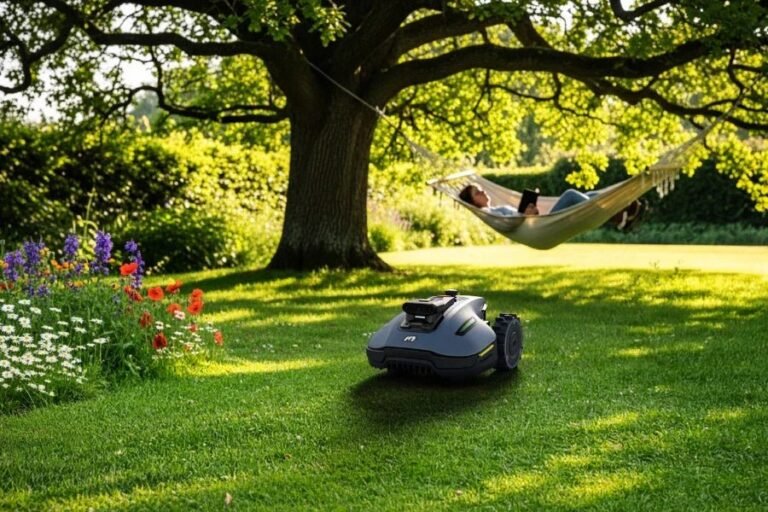
A robotic lawn mower is a battery-powered machine that cuts your grass on its own, following a boundary you set, then returns to its dock to recharge and heads back out until the job is done. You still own a lawn; you just stop being the one who mows it every Saturday.
Key Takeaways
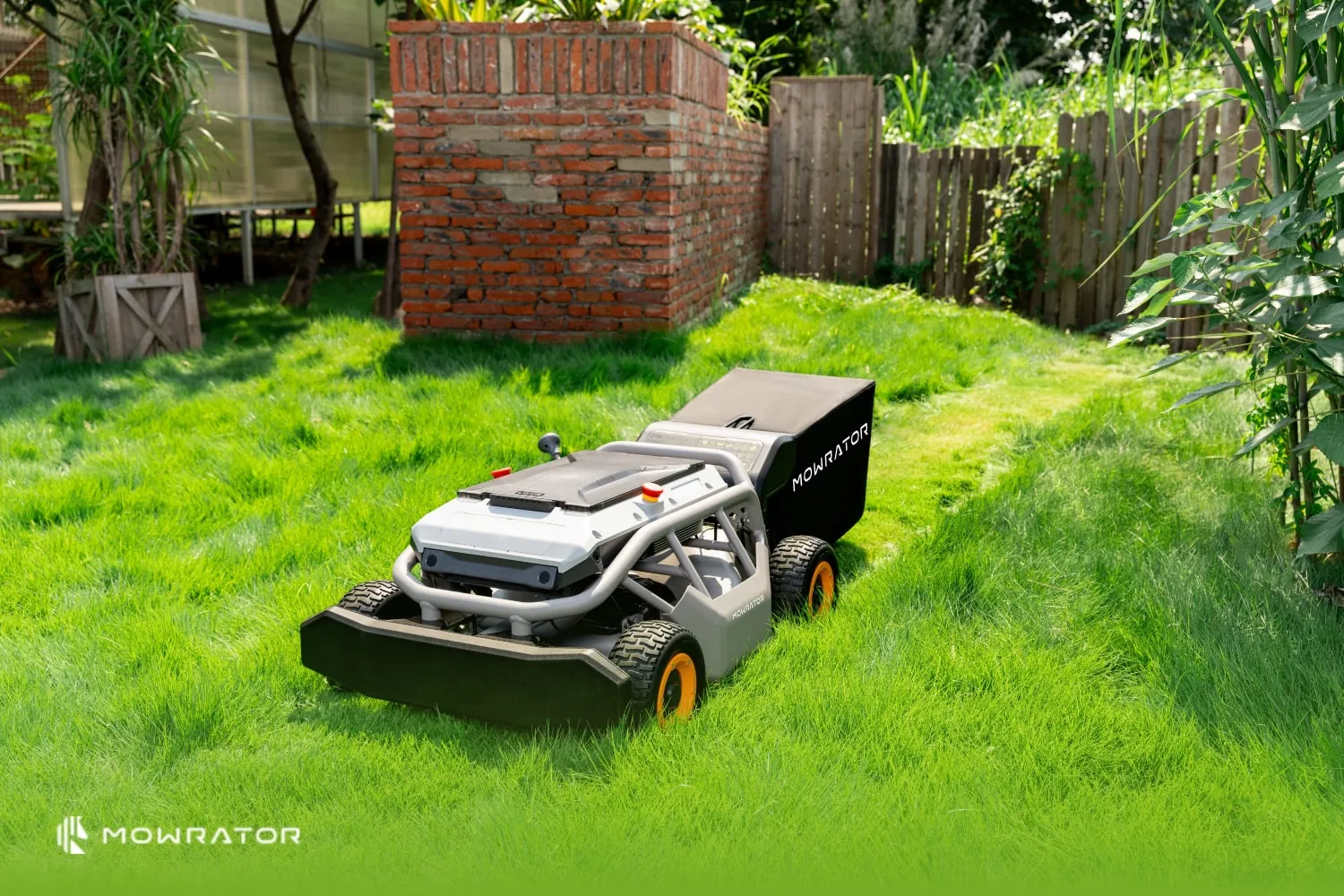
- Most robotic mowers need a boundary wire or a guide wire buried or pegged around the lawn’s edge; a growing number use GPS or camera navigation instead.
- Expect to pay roughly $700 to $4,000 for the mower, plus $100 to $500 if a dealer installs the wire for you.
- They cut a little at a time, several times a week, so clippings are tiny enough to disappear into the turf as fertilizer.
- A robotic mower suits a simple, mostly flat lawn best; steep slopes, heavy leaf fall, and lots of obstacles make it work harder.
- You still have to trim edges, clear toys and debris, and service the blades every few weeks.
- A wired model can’t mow areas it can’t reach, so a separate boundary loop or a second dock is needed for a divided yard.
How a Robotic Mower Actually Works
Every robotic mower runs the same basic loop: navigate, cut, sense the edge, recharge, repeat.
The navigation layer
The classic setup is a boundary wire — a low-voltage loop pegged or buried around the perimeter of the lawn. The mower senses the signal and knows to turn around before it crosses. Many models add a guide wire that runs to a distant part of the yard so the mower can find its way there and back to the dock efficiently rather than wandering.
Newer machines skip the wire. They use RTK GPS, which compares satellite signals against a fixed reference station on your property for centimeter-level accuracy, or onboard cameras and sensors that read the lawn’s edge. Wire-free mowers are easier to set up but generally cost more and can struggle under dense tree cover.
The cutting layer
Underneath, most models have three to five small pivoting blades on a spinning disc. They don’t slice like a reel mower or blast like a rotary; they snip grass continuously as the machine crisscrosses the lawn in a semi-random or systematic pattern. Because it cuts a few millimeters at a time, the clippings are fine enough to fall between the blades of grass and break down.
What It Costs to Own One
| Cost item | Typical range | Notes |
|---|---|---|
| Mower (small yard, entry level) | $700–$1,500 | Up to about ¼ acre |
| Mower (mid-size yard) | $1,500–$2,500 | Roughly ¼ to ½ acre |
| Mower (large or complex yard) | $2,500–$4,000+ | ½ acre and up, or steep terrain |
| Professional wire installation | $100–$500 | Varies with lawn size and obstacles |
| Replacement blades | $20–$60 per set | Every 4–8 weeks in growing season |
| Annual electricity | $10–$40 | Charging a small battery repeatedly |
Prices vary by brand, cutting width, and how much slope the machine is rated for. A wire-free GPS model usually sits at the top of its size class.
What You Still Have to Do

A robotic mower isn’t zero maintenance. Plan on these tasks:
- Trim the edges. The mower can’t cut flush against walls, fences, or flower beds, so you’ll still run a string trimmer along the border.
- Clear the lawn before it runs. Hoses, toys, pet waste, fallen branches, and pinecones will stop it or damage the blades.
- Replace or sharpen blades. Dull blades tear grass instead of cutting it, which invites disease. Most manufacturers sell cheap replacement blade sets.
- Clean the dock and charging contacts. Grass clippings and moisture build up there and cause charging faults.
- Winterize it. Bring the mower, dock, and power supply indoors before the first hard freeze.
Where Robotic Mowers Work Best
| Lawn condition | How well it works |
|---|---|
| Flat, open, simple shape | Excellent — ideal case |
| Gentle slopes under about 25% | Good — check the model’s slope rating |
| Steep banks | Poor — most models slip or refuse |
| Narrow strips and tight corners | Fair — needs guide wires or careful mapping |
| Heavy tree cover | Fair to poor — GPS models lose signal |
| Multiple separate lawn areas | Fair — needs a second loop or dock |
If your yard is a single open rectangle with a gentle grade, a robotic mower will handle nearly all of it. If it’s a patchwork of narrow passages and steep banks, expect to keep a conventional mower for the awkward parts.
Wired vs. Wire-Free: Which to Choose
Wired models are cheaper, proven, and work in shade where GPS fails. The tradeoff is installation: you either bury the wire or peg it down, and you’ll repair breaks with a splice kit when a spade or rodent cuts it.
Wire-free models use GPS, cameras, or a combination. Setup is often a phone app and a virtual boundary you draw on a map. They handle complex shapes better and let you change the boundary without digging. The tradeoffs are higher price and sensitivity to tree canopy, tall hedges, and buildings that block satellite signals.
Safety and Theft Basics

Robotic mowers are designed to stop when lifted or tilted, and the blades sit under a protective housing. Still, treat it like any power tool: keep children and pets away while it’s running, and don’t reach under it to clear a jam without switching it off.
The bigger practical risk is theft. A mower sitting on a lawn is an easy target. Use the PIN lock most models include, and consider a GPS tracker or an alarm if your yard is visible from the street.
Frequently Asked Questions
Do robotic mowers really work?
Yes, for the right lawn. On a simple, mostly flat yard they keep grass consistently short without you pushing anything. On steep, cluttered, or heavily shaded properties they need more babysitting and may leave patches a conventional mower would not.
Do I need to bury the boundary wire?
No. Most manufacturers let you peg the wire on top of the soil, and it disappears into the turf within a few weeks as grass grows over it. Burying it just protects it from damage and looks tidier. Wire-free models skip the wire entirely.
How long does a robotic mower run before recharging?
Most run roughly 60 to 90 minutes per charge, then dock for 60 to 120 minutes. They typically mow in short, frequent sessions rather than one long pass, which is why the lawn always looks freshly cut.
Can a robotic mower handle a wet lawn?
Most can, but many manufacturers recommend against it. Wet grass clumps, sticks to the underside, and can clog the deck or leave clumps on the lawn. Rain sensors on many models simply delay the schedule until the grass dries.
Will it cut tall, overgrown grass?
No. These machines are designed to maintain short grass, not reclaim a meadow. If your lawn is already overgrown, mow it down first with a conventional mower, then let the robot take over from there.
What happens to the clippings?
They’re mulched in place. Because the mower removes only a sliver at a time, the clippings are small enough to sift down to the soil and decompose, feeding the lawn. You won’t see rows of clippings.
Conclusion
Before you buy, measure your lawn’s square footage, note its slope and how many obstacles it has, and check the manufacturer’s rated coverage against those numbers — then decide whether a wired or wire-free model fits your yard and your budget.

Daniel Carter is a home improvement specialist and tool researcher with years of experience studying power tools, hand tools, workshop equipment, outdoor gear, and DIY projects. At HomeToolWorld, he researches products, compares features, reviews manufacturer specifications, and creates practical buying guides to help homeowners, DIY enthusiasts, and professionals make informed decisions. His goal is to provide accurate, easy-to-understand, and trustworthy content based on careful research and real-world applications.